
Aerial surveys guide next phase of weed control
Work is continuing to tackle invasive weeds across the Mitchell River catchment, with aerial surveys helping land managers identify priority infestations left in the wake of Tropical Cyclone Jasper.
Work is continuing to tackle invasive weeds across the Mitchell River catchment, with aerial surveys helping land managers identify priority infestations left in the wake of Tropical Cyclone Jasper.

From restoring threatened ecosystems to improving agricultural productivity, many of the decisions shaping Australia’s landscapes begin with a single question: what is the data telling us?

In North Queensland’s remotest corners, drone technology is giving conservationists and graziers an unprecedented view of the Great Artesian Basin (GAB) springs, helping guide restoration across some of the region’s most fragile ecosystems.

As Varroa mite continues to sweep the globe and threaten beekeeping businesses everywhere, Gulf Savannah NRM is preparing locals with the support of renowned industry experts.

Recently appointed Agriculture Project Officer Karen Dugmore said the project aims to help producers better understand regenerative farming practices while supporting the long-term sustainability of enterprises across the region.
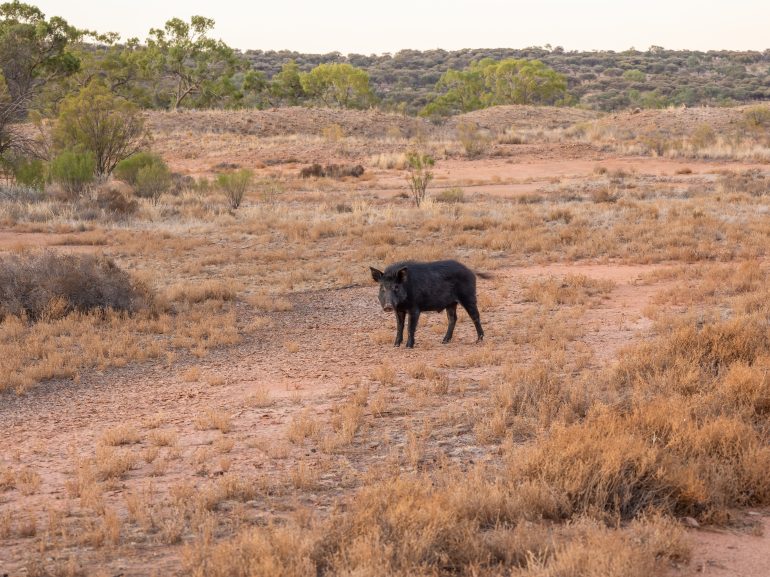
Delivered by Gulf Savannah NRM (GSNRM) in partnership with Australian Wildlife Conservancy (AWC), the program reinforces growing evidence that aerial shooting can be significantly more effective than traditional on ground methods and should play a central role in feral pig management across Australia.

The Gulf Savannah NRM field team has hit the ground running, completing two successful field trips to the Gilbert River, near Georgetown, to survey the landscape, identify access points, and map native vegetation as part of a project to tackle threats from invasive neem trees along the Gilbert River.

Northern quolls are endangered carnivorous marsupials found only in Australia and are considered one of the country’s most struggling native predators. Once widespread across northern Australia, the species has experienced significant declines over recent decades due to threats including cane toads, habitat loss, feral predators, and inappropriate fire regimes.

A recent visit to Kondaparinga Station has marked an important step forward for the Together for Country Weed Management Program, with Gulf Savannah NRM project staff and the Kuku Djungan Murtiki Ranger team strengthening weed control efforts and sharing knowledge on Country.

From volunteering in a Tibetan refugee camp in Nepal to working alongside smallholder rice farmers in Cambodia, Lucinda “Indi” Dunn’s path into agriculture has been anything but conventional.