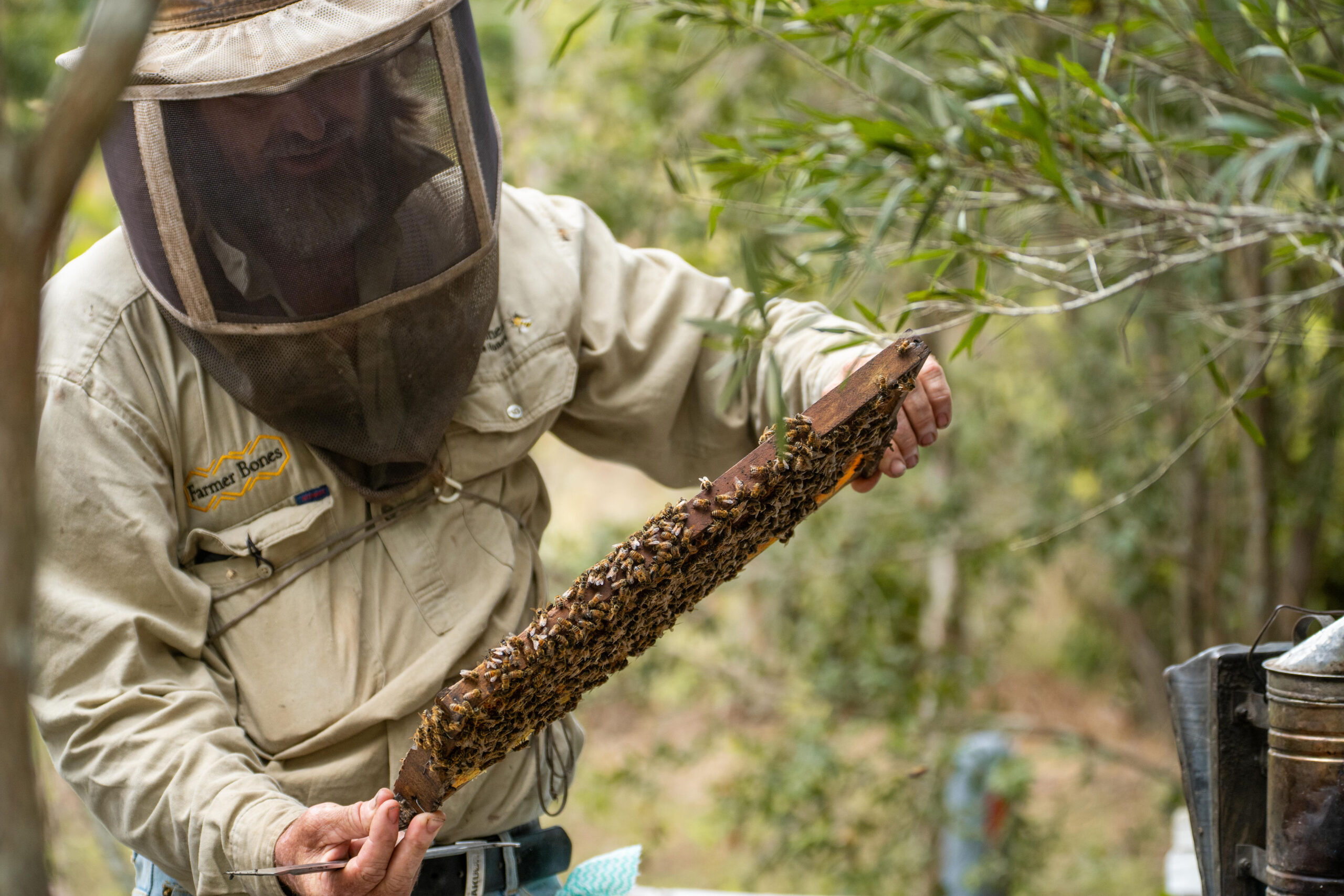
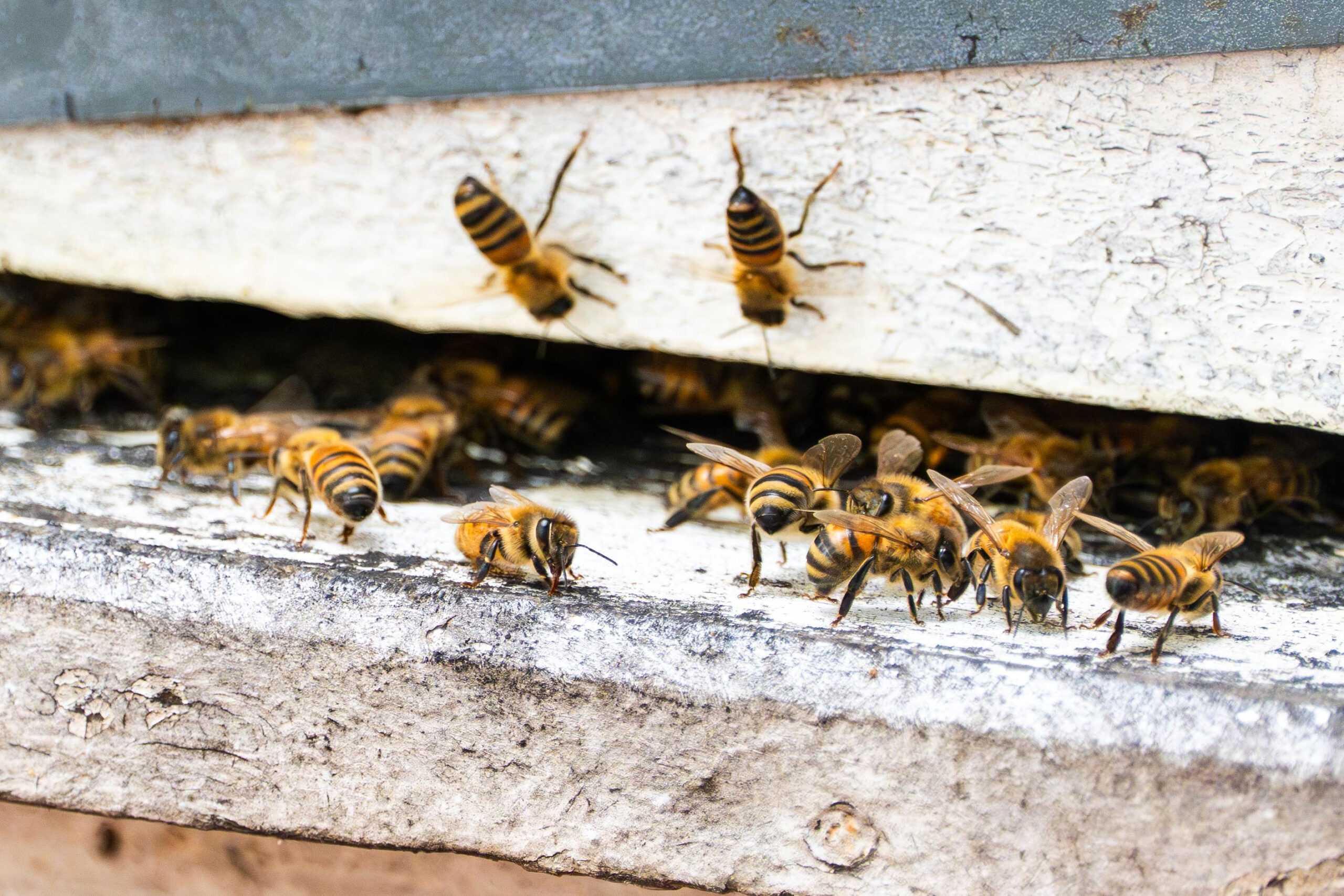
As Varroa mite continues to sweep the globe and threaten beekeeping businesses everywhere, Gulf Savannah NRM is preparing locals with the support of renowned industry experts.
Southern Cross University’s Dr Cooper Schouten and Dr Isabella Lippi travelled to the region in June to conduct two essential workshops and provide practical tools in addressing the pest’s growing concern.
Arriving with an international delegation described as “some of the best beekeepers in the world”, the duo has spent years contributing to bee health research, while Dr Schouten also has on-ground experience monitoring Varroa mite in Papua New Guinea, the Solomon Islands and Fiji.
Together, they delivered evidence-based information and empowered attendees to position themselves a few steps ahead of the pest.
“What you are about to experience is quite unique on this earth, but you have time,” Dr Schouten said. “Beekeepers down south would be begging for that.”
He refers to already established Varroa populations across much of the Eastern and Southern states.
Though near microscopic, these parasitic mites feed and reproduce on developing bee larvae and pupae, weakening colonies through damage, deformities and spread of viruses. Without effective management, severe infestations can cause the collapse of a hive within three to four years.
Though Australia was the only Varroa-free continent up until 2022, the nation has spent $100 million dealing with the pest since its arrival.
And as more than 30 per cent of food production relies on pollination from native bees, the threat is perhaps equally felt by crop farmers.
Agriculture Officer Karen Dugmore acknowledged the gravity of the issue and was particularly concerned about the economic ramifications if pollination services are to be severely disrupted.
But Ms Dugmore was also positive that the workshops will give locals the upper hand in readying themselves and prioritising management over eradication.
“Hosting internationally recognised industry experts gave local growers and beekeepers access to the latest research and real-world experience from regions already managing Varroa mite,” she said.
“They were able to answer questions and share lessons learned from countries where Varroa is already established, helping attendees prepare before the pest reaches the region.”
Over the course of two days, the presenters outlined strategies for managing Varroa when mites develop resistance to treatments, and gave advice for ongoing surveillance and management methods.
Alongside this clear action plan, local beekeepers had the opportunity to put concept into practice on Levison Creek Farm in Mareeba as the experts led the group through a lychee crop to identify native pollinator populations and highlight suitable locations for hive placement.
And as beekeepers will likely be the first to detect the mite’s arrival in the region, awareness and advocacy were also highlighted, with participants encouraged to share information within their networks and engage with local representatives.
Ms Dugmore said attendees were highly receptive to this responsibility, describing the information as easy to understand and “refreshingly honest.”
“The reception from local participants was overwhelmingly positive,” Ms Dugmore said.
“The workshops successfully combined world-class expertise with relevant, practical guidance, leaving participants better informed, more engaged and better prepared.”
Ms Dugmore added that one local beekeeper had attended numerous presentations since the pest was first detected but found Gulf Savannah’s NRM’s event to be the most valuable due to its highly relevant and actionable content.
With the stakes so high, the workshops’ resounding message was clear: Varroa is coming, and it’s not a matter of if, but when.
As vigilance and preparation are the most effective tools available, Gulf Savannah NRM will continue to raise awareness over the next year with another round of workshops and a publicly accessible training package.
This project is funded by the Community Bee Innovation Fund.
Photos by Eden Manzur.