Predators often get a bad rap. Though sometimes cast as storybook villains and documentary antagonists, in the world of ecology, they’re not just high in the food chain, but also play a vital role in keeping natural systems balanced.
Every native species contributes to the rich tapestry of our natural world, but the reality is that some have an outsized influence on how ecosystems function. While there’s a lot of buzz surrounding pollinators and seed dispersers, predators also occupy a very important space in environmental conservation. The northern quoll (Dasyurus hallucatus) is certainly no exception.
As one of the largest native, omnivorous predators in Australia, the health of landscapes across the Gulf region may partly rest upon its little spotty shoulders.
Both predator and prey keep ecosystems in check
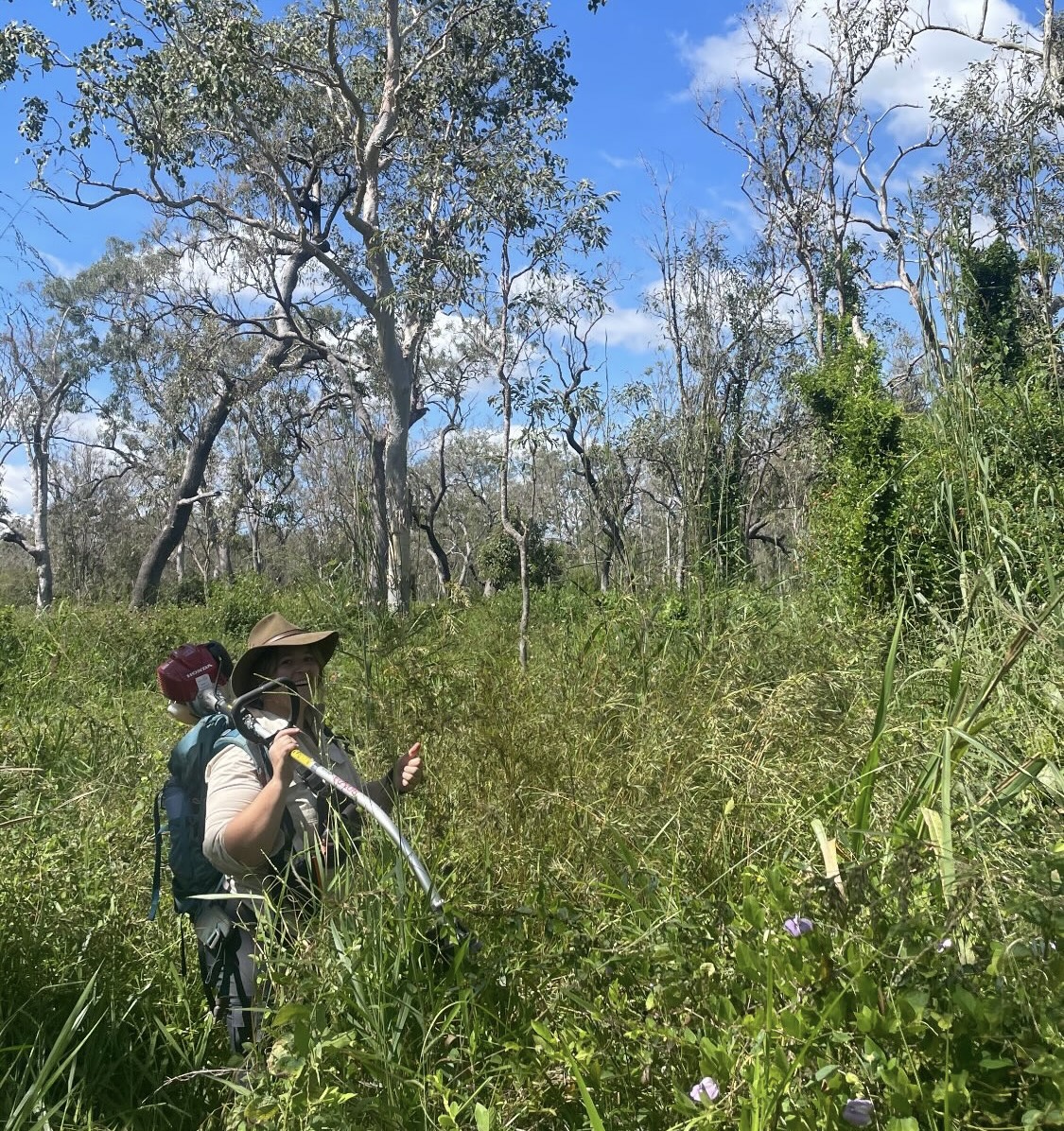
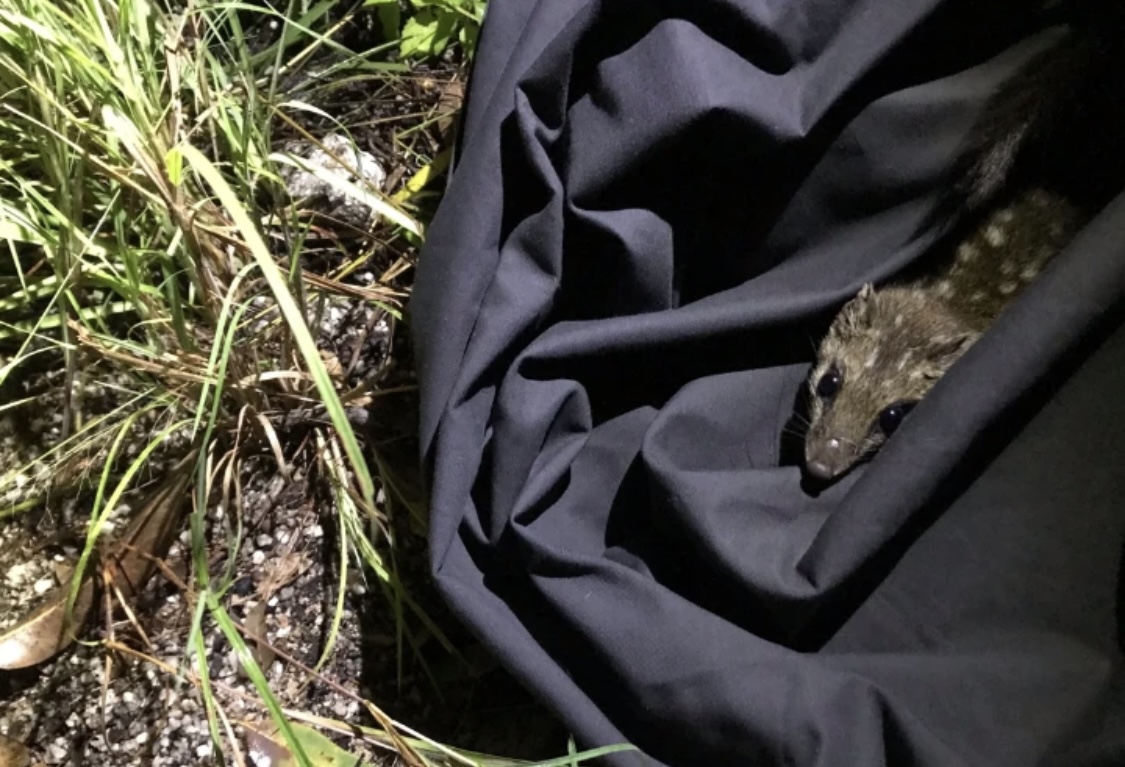
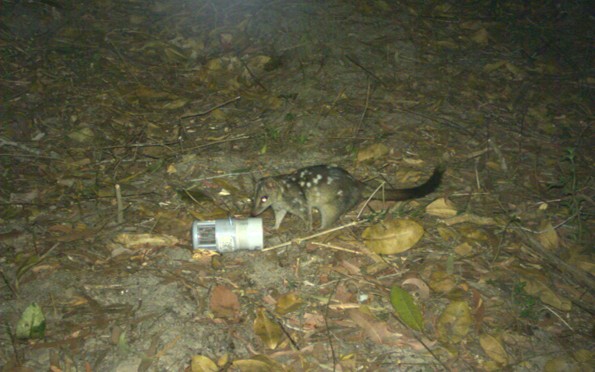
As a field ecologist with Australian Wildlife Conservancy (AWC), keeping tabs on quolls is part of Melissa Christi’s day job. Alongside Gulf Savannah NRM, she and the AWC team have set up Mareeba Wetlands as one of their monitoring hotspots since 2024.
Having studied both their habits and habitat, Ms Christi is no stranger to these “impressive little scavengers.”
“Northern Quolls are part of a host of other predators in North Queensland, including Wedge-tailed Eagles, Dingoes, Scrub Pythons and crocodiles, that together create natural checkpoints and safeguard our ecosystems,” she said.
“Without their influence, it’s likely we would notice a trophic cascade over time … especially in a country like Australia where boom and bust events are common.”
International studies have documented the phenomenon known as a ‘trophic cascade‘. Simply put, it can describe the chain reaction that can occur when predators disappear and prey populations multiply unchecked, placing increased pressure on plants and the wider ecosystem.
Picture it as a pyramid: there are many species in high abundance at the bottom, and the rarer apex predators at the top. As you can imagine, there are more flies and frogs in any given habitat than there are crocodiles or dingoes.
As a mesopredator, quolls sit at a mid-tier of that pyramid, not quite at the bottom, but also not at the very top, meaning their disappearance would have flow-on effects both up and down the food chain.
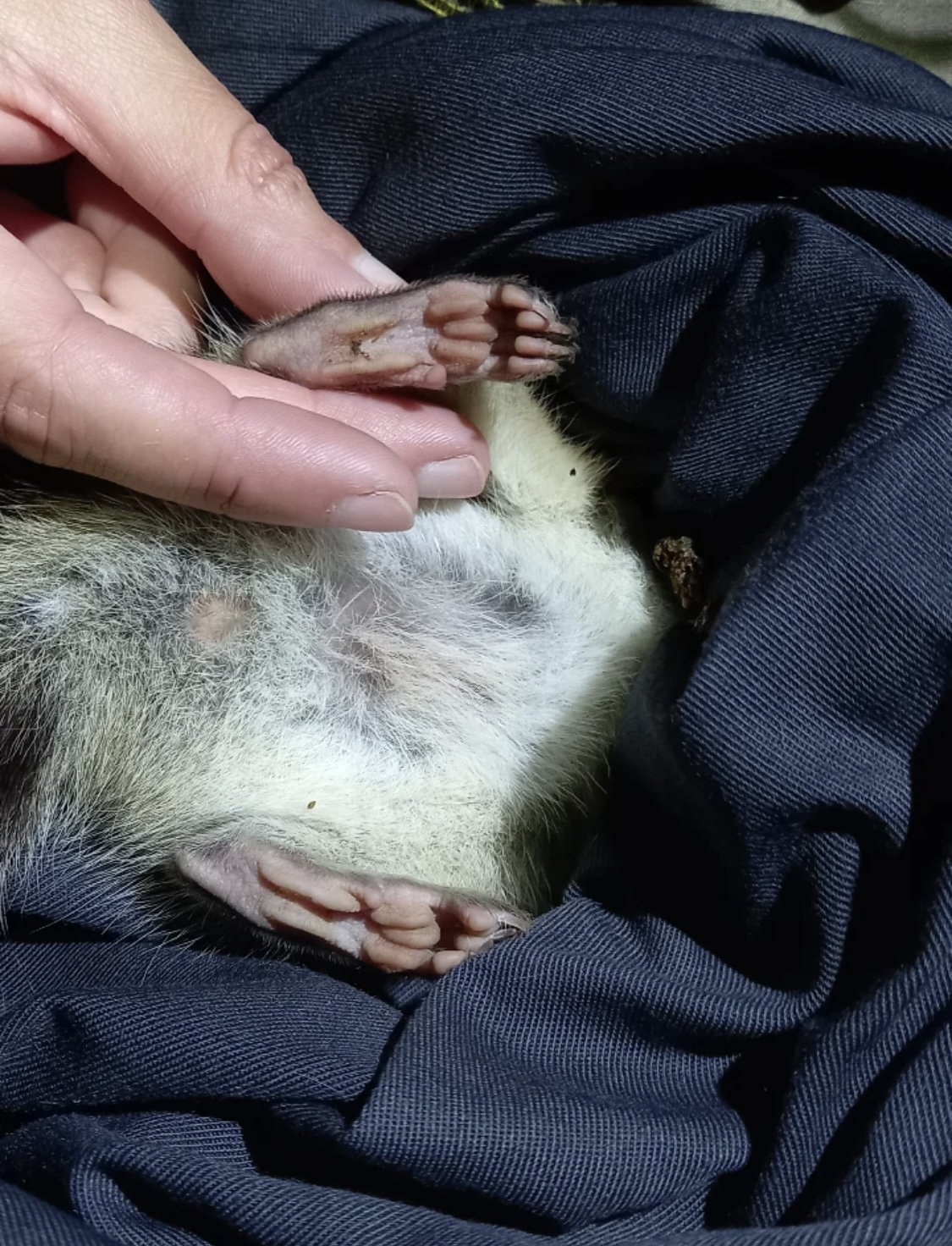
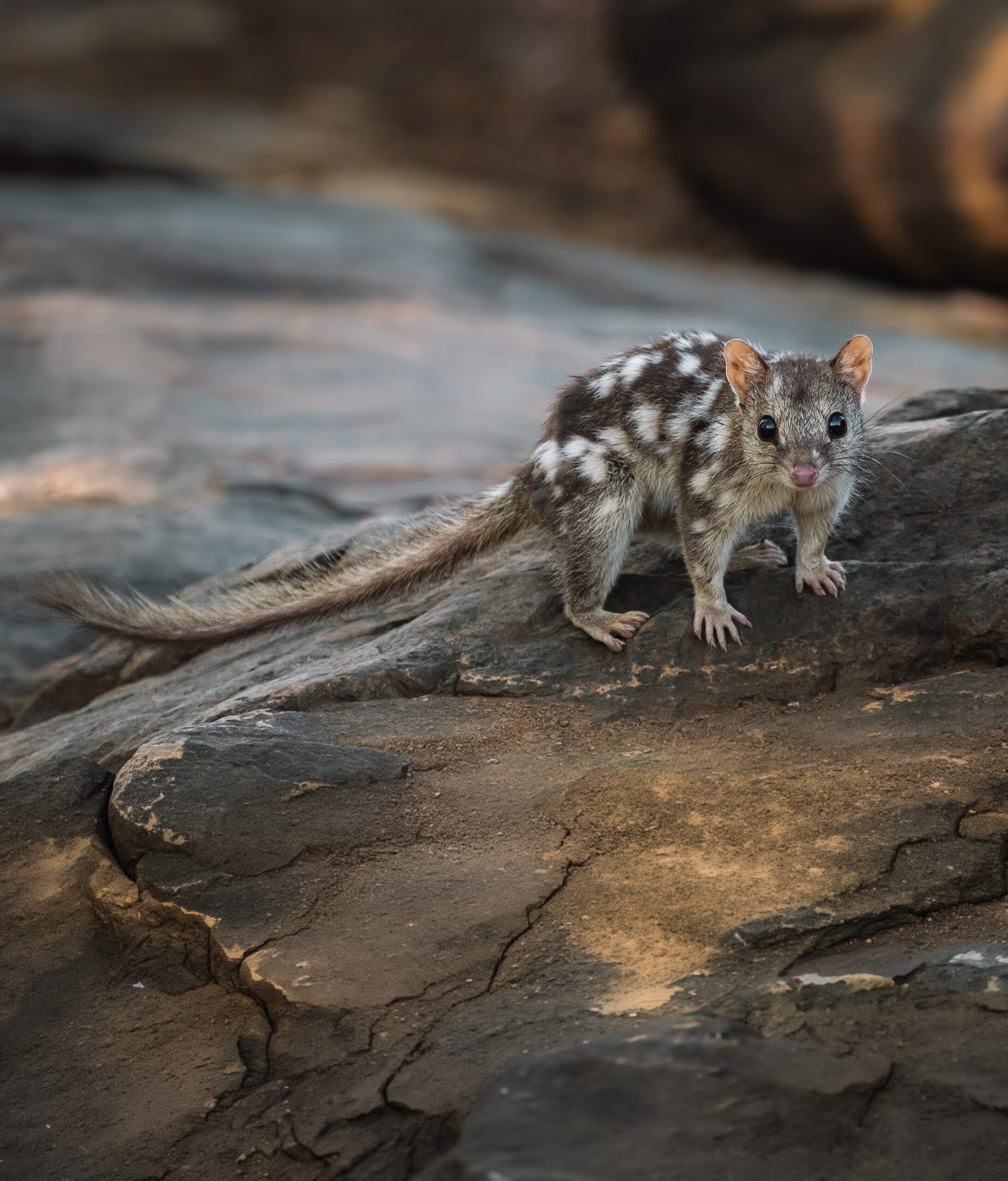
Though the smallest of all four quoll species (others include the spotted-tail, eastern and western quoll), these northern creatures are responsible for maintaining balance in the environment by cleaning up carrion and preying on anything from insects, frogs and birds to other smaller mammals.
And Ms Christi recognises humans are just as much a part of the ecosystem as wildlife, meaning we also experience the benefits, or consequences, of how well the environment is able to function.
“A healthy ecosystem isn’t just good for our native wildlife, it’s good for us,” she said.
“By looking after native predators like northern quolls … it has a positive knock-on effect down the line, because healthy Country means healthy water, and we all know how important that is!”
For a species that plays such an important ecological role, it faces an alarming number of threats and is disappearing across its native range.
Predator becomes prey to array of threats
The northern quoll has been almost entirely lost from the Northeast Top End, Northern Territory, Cape York Peninsula and Einasleigh Uplands, with its habitat range having reduced by about 95 per cent between 1980 and 2010.
“These little predators used to have a huge range and were found right across the north half of Australia from Brisbane to the Pilbara, which today has contracted to several patchy populations,” Ms Christi said.
Though exact numbers haven’t been documented, the reduction has led the species to officially be listed as endangered under the Environment Protection and Biodiversity Conservation Act.
This concerning shift is ultimately what triggered the quoll collaboration on Mareeba Wetlands. Gulf Savannah NRM Biodiveristy Officer Dr Edward Evans notes how this decline fits into an overall downward trend in native species, including those that play critical roles.
“Since European colonisation, we’ve lost a huge number of really interesting small to medium sized mammals in Australia for various reasons,” he said.
“The northern quoll is an iconic native that has significantly declined, predominantly due to cane toads, and continues to be threatened by cat predation and loss of usable habitat.”
With the cane toad flagged as a threat for decades, renowned conservation bodies have dedicated themselves to mitigating impact. In 2016, Northern Australia Hub’s long-term study in Kakadu National Park and the Kimberley found each generation of quolls learns to avoid toads, while 50 per cent of surveyed animals were successfully trained to ingest toad-aversion baits.
This research shows that ‘toad-smart’ quolls can be reintroduced where infestations are a major issue, offering hope and direction for future control programs.
By contrast, habitat loss is a more complicated concern, with compounding influence from weeds, inappropriate fire regimes and human activities, all of which also influence the hunting efficiency of cats.
Cited for burning with up to eight times the intensity of native grasses, gamba poses perhaps the biggest challenge of all invasive plant species and is capable of “destroying the habitat where it grows,” Ms Christi said.
Post-fire conditions leave the landscape stripped bare and can overly expose quolls to their own predators, while land clearing for agriculture, timber, mining and other industries has resulted in environmental fragmentation severe enough to further disrupt survival.
Whatever the causes of their decline, one thing is certain – the northern quoll needs our help.
Conservation extends to landholders and everyday citizens
Though cute, cuddly and iconic, quolls are often perceived as pesky in rural parts of Queensland, with most encounters occurring because they’ve “attacked someone’s chickens or made dens in people’s houses,” Dr Evans said.
But the teams at both Australian Wildlife Conservancy and Gulf Savannah NRM are in agreeance: these remarkable marsupials are undeniably “cool”.
“Northern quolls are really unique,” Ms Christi said. “They’re a semelparous species, meaning most males die off after breeding season and there’s extra pressure on the young to survive and breed the next year.”
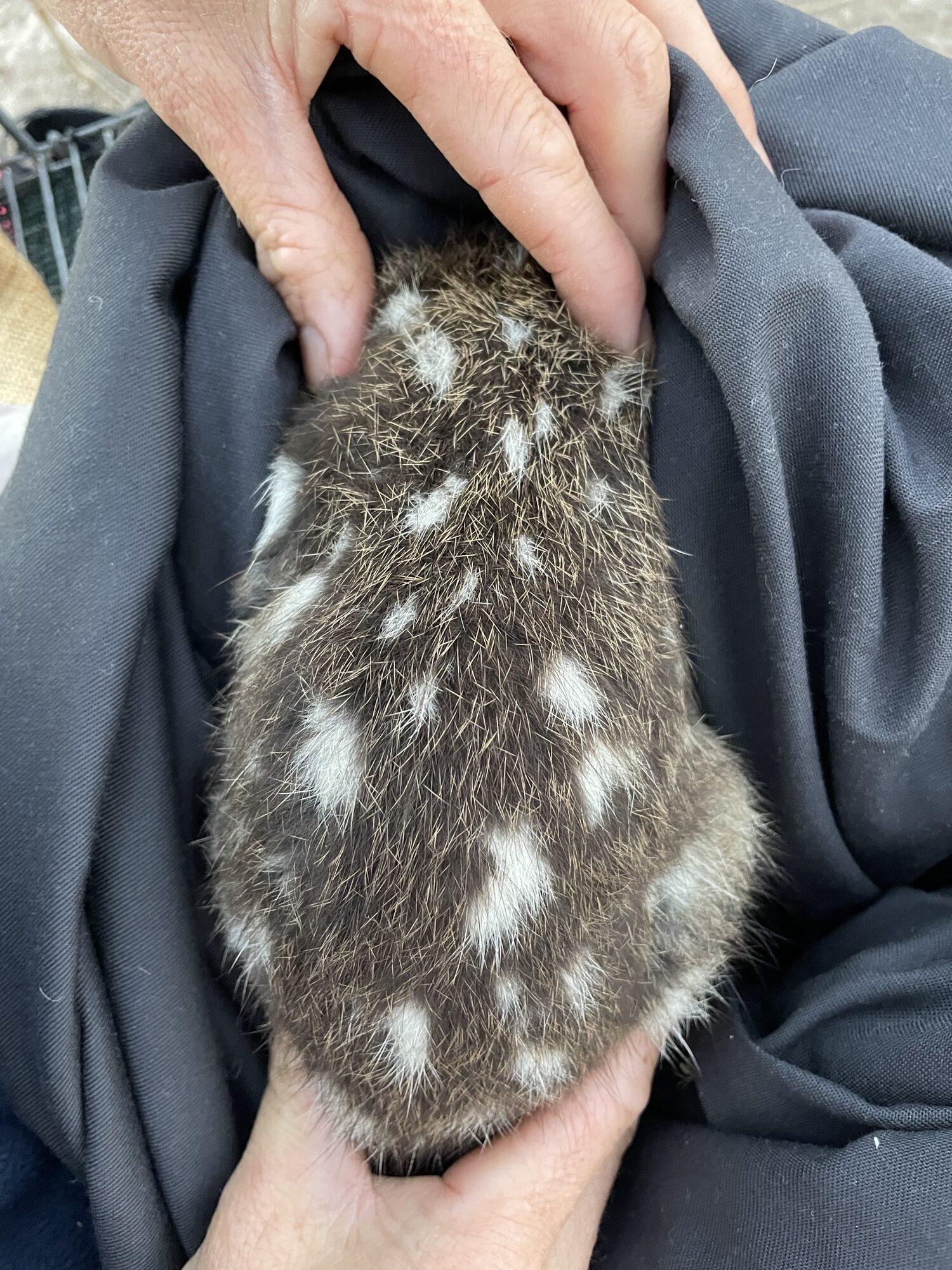
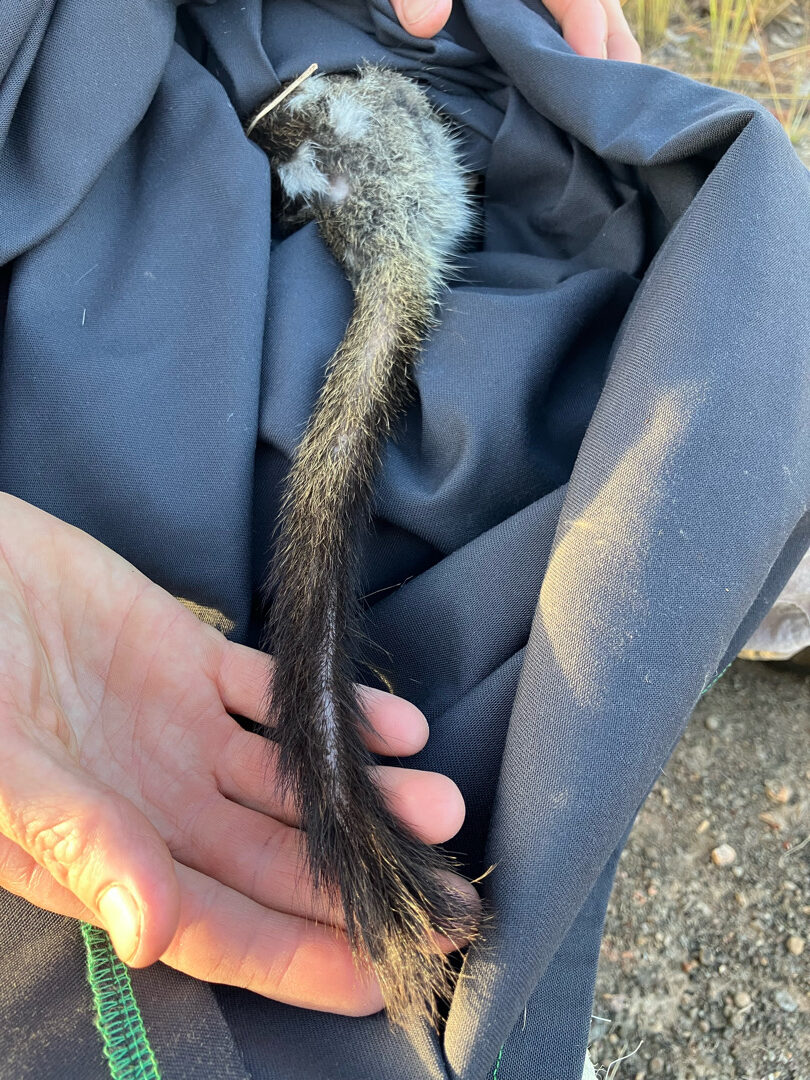
Adding to that uniqueness is their distinctive white spots, which are like fingerprints – no two animals share the same pattern.
For countless generations, the Kunwinjku and Kundjeyhmi Traditional Owners of Kakadu have told the story of how Njanjma came to bear its spots after arguing with the moon over whether humans should return to life. Angered by the disagreement, people threw burning sticks at Njanjma, leaving the white markings still seen today.
As Mareeba remains an “interesting stronghold”, with northern quolls still found in pockets across the region, there’s a rare opportunity to ensure this species remains part of the local landscape. Whether you live on a cattle station or in suburbia, this starts with the choices made in our own backyards.
“It can help to not let your cat roam at night as this gives quolls a better chance, particularly around townships, and in general, be mindful of wildlife while driving, especially near known habitats,” Dr Evans said.
“Some people might actively remove fallen trees and hollow logs on their property, but it’s really important to leave them as a resource for wildlife.”
Alongside these everyday actions, Gulf Savannah NRM and Australian Wildlife Conservancy will continue monitoring populations while reducing two of the species’ greatest threats through ongoing gamba grass and feral cat control programs.
Now a memory in many parts of Australia, the northern quoll is still very much a part of our story here in Far North Queensland and the Gulf. With continued conservation and local stewardship, it can persist as one of the region’s most important native predators, keeping ecological balance while staying its quirky self.
This project is funded by the Australian Government Natural Heritage Trust and delivered by Gulf Savannah NRM, a member of the Commonwealth Regional Delivery Partners panel.
Photography by Brad Leue and Melissa Christi, Australian Wildlife Conservancy.