
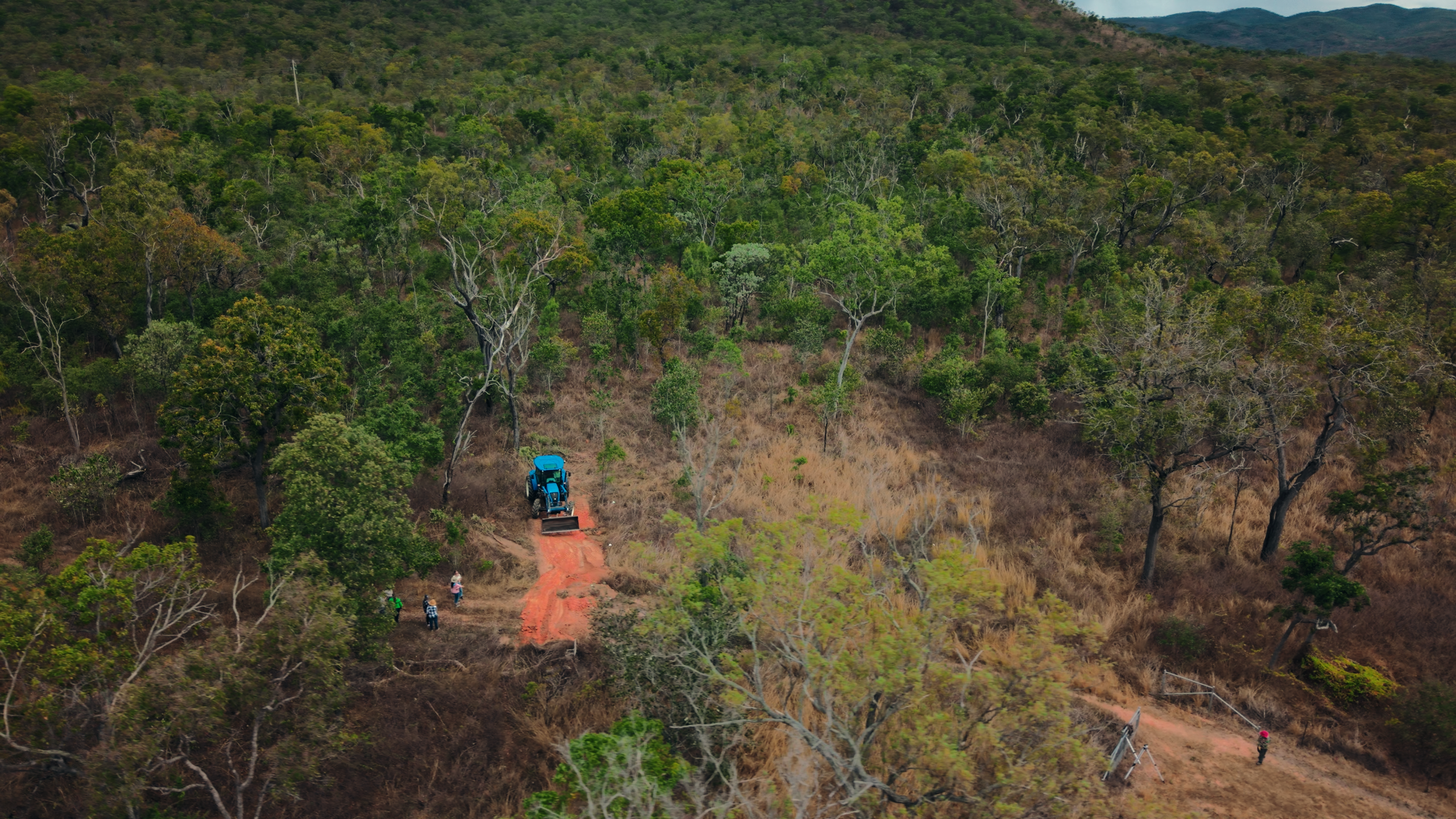
Mareeba, Queensland – Farmers across the region are embracing climate-smart agriculture practices as they look to build more resilient farming businesses and leave healthier properties for future generations.
Through the Climate-Smart Agriculture Project, growers are exploring practical ways to improve soil health, reduce chemical inputs, manage pests more effectively, and strengthen their ability to withstand increasingly variable weather conditions.
Recently appointed Agriculture Project Officer Karen Dugmore said the project aims to help producers better understand regenerative farming practices while supporting the long-term sustainability of enterprises across the region.
“I have a great passion for regenerative agriculture and the positive impact it can have on our environment,” Ms Dugmore said.
“I look forward to working with landholders and the community to help build understanding, share practical solutions, and support more sustainable farming practices.”
The project has already delivered its first completed on-farm trial, investigating pheromone traps for fruit-spotting bug management. While the traps are primarily a monitoring tool rather than a direct control method, the trial highlighted an opportunity for growers to adopt more targeted pest management.
The project also focuses on bringing producers together through workshops, field events and practical demonstrations, helping to build local knowledge and encourage the adoption of climate-smart farming techniques.
To date, five workshops have been hosted in Mareeba, covering topics such as soil health, ground cover, erosion management, water retention and sustainable farming practices.
Ms Dugmore said involvement in the project provides practical benefits that can help producers prepare for future challenges.
“Participation should help build resilience by providing skills, knowledge and tools to adapt to changing conditions, improve productivity and support long-term sustainability,” she said.
“It is especially relevant in this region because producers are already experiencing the impacts of variable rainfall, extreme weather and changing seasonal conditions. Climate-smart agriculture helps producers adapt to these challenges.”
This Project is supported by the Australian Government through funding from the Natural Heritage Trust under the Climate-Smart Agriculture Program.