OUR WORK

WHAT WE DO

We work with the people and communities of the Gulf Savannah region to create opportunities for current and future generations. We deliver projects that cultivate living landscapes and support local livelihoods.

Gulf Savannah NRM is a non-profit company and a registered charity. Our projects help strengthen communities and industries, while taking care of our beautiful landscapes.

We deliver and support projects across the vast Gulf Savannah region, working closely with communities, Indigenous organisations, and all levels of government, to create a brighter future.

Our projects connect science, technology and landcare to improve productivity for farmers and graziers and address the challenges of life in our remote region. Natural resource management works where community, industry and environment meet.

Community

The Gulf Savannah is a region of widely dispersed towns and small, isolated communities. There’s limited communications infrastructure, so it’s a real challenge to stay connected and use technology to support agriculture and industry. We’re leading a multi-agency effort to improve digital connectivity and build capability across our region.

Our communities face significant challenges: isolation, severe weather, fire, and economic impacts on our main industries, grazing, agriculture and tourism. We work with people and communities to encourage connection, boost food security, promote fire safety, and build resilience.

About 25 per cent of people in the Gulf region identify as Indigenous. We work closely with Indigenous organisations and ranger groups on projects to help communities and care for Country.

Industry

Grazing beef cattle is the main industry in our region, based on broad-hectare pastoral leases across the vast, dry savannah country from the Palmer River catchment to the Claraville plains.

Agriculture, fishing and tourism are also significant industries in the Gulf region. Our projects work with industries and communities to improve soil health, promote regenerative farming practices, and attract bees and insects to help pollination.

environment

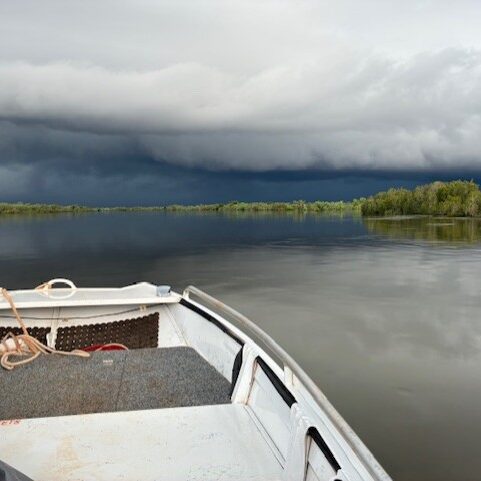
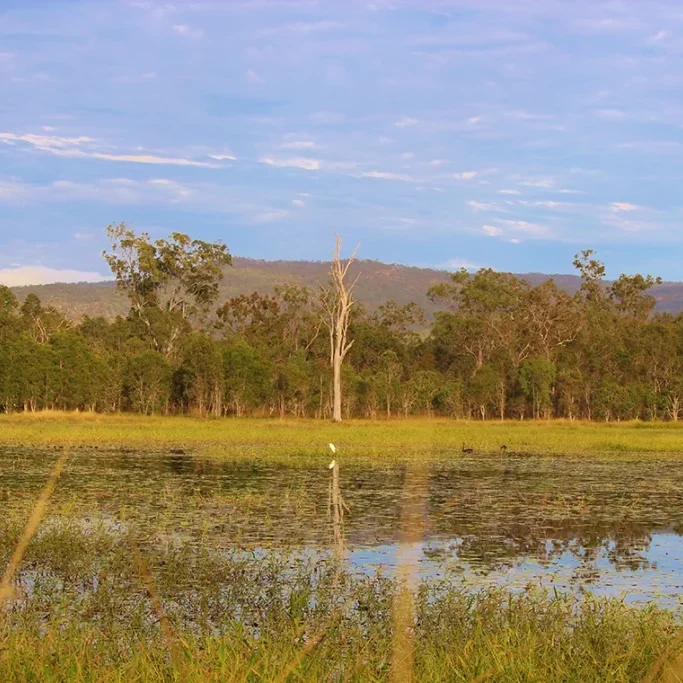
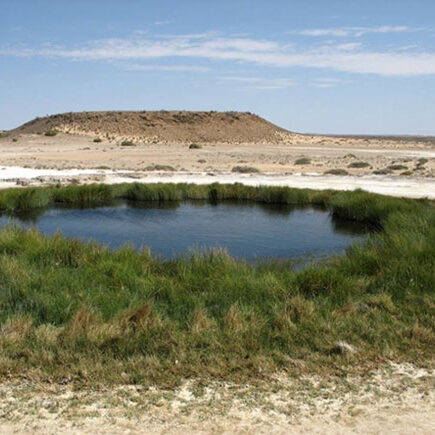
The Gulf Savannah region includes the winding rivers and wetlands of the Gulf of Carpentaria coast, the vast savannah woodlands stretching from the Gulf plains to the Einasleigh Uplands and the base of Cape York, and we have the biodiverse northern Tablelands, with its rainforests, woodlands and waterways.

Our projects address key environmental issues like preventing erosion, gully remediation, health of waterways and wetlands, control of weeds and invasive species, protection of threatened and endangered species.

PROJECTS
Traditional Custodian Led Advisory Group

With the support of Gulf Savannah NRM’s Indigenous Cultural Broker, Natarsha Bell, our organisation has established a Traditional Custodian Led Advisory Group. Its purpose is to strengthen relationships with Traditional Custodians across the region. It provides expert advice on Indigenous interests, responsibilities, and connections to land, freshwater, and sea country, and plays a vital role in shaping culturally appropriate engagement approaches.

Enhancing Wetherby Wetlands

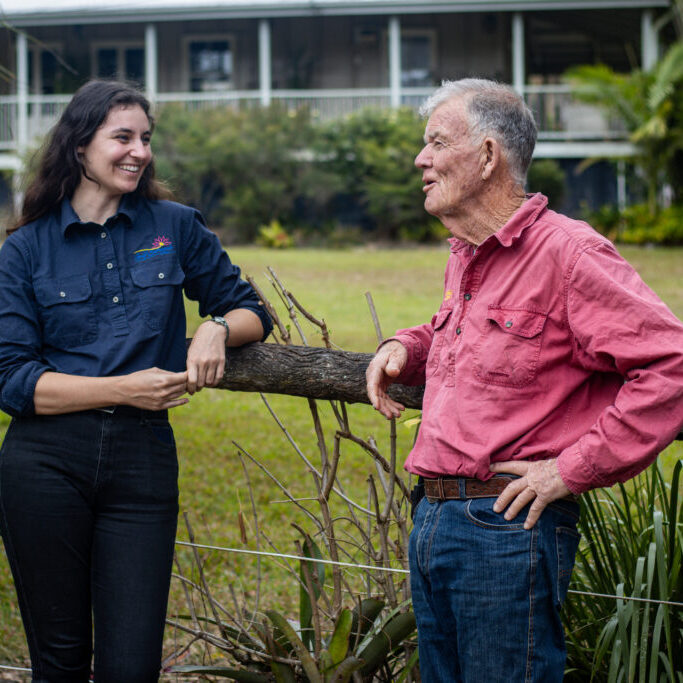
Enhancing wetland values at Wetherby station is a community-focused wetland conservation project aiming to restore the diverse values and ecological character of the Wetherby wetlands ecosystem. In April this year, 1,300 native trees were planted with help from the landholder John Colless, TREAT volunteers, children, teachers and parents from Mt Molloy State School, Kuku Djungan Murtiki rangers and Gulf Savannah NRM staff. 

Soil Graduate Program

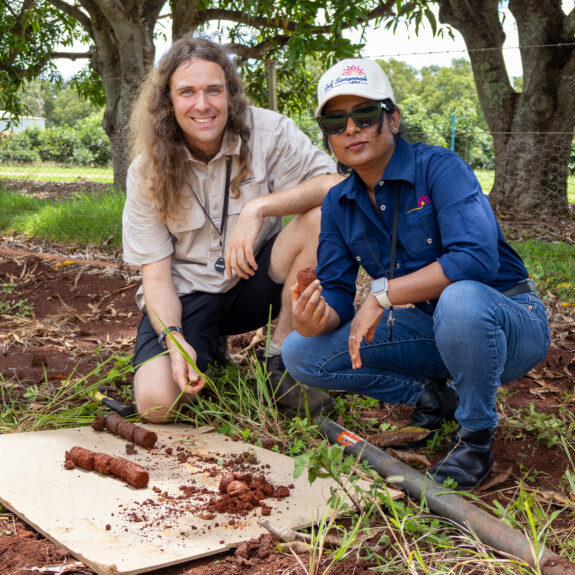
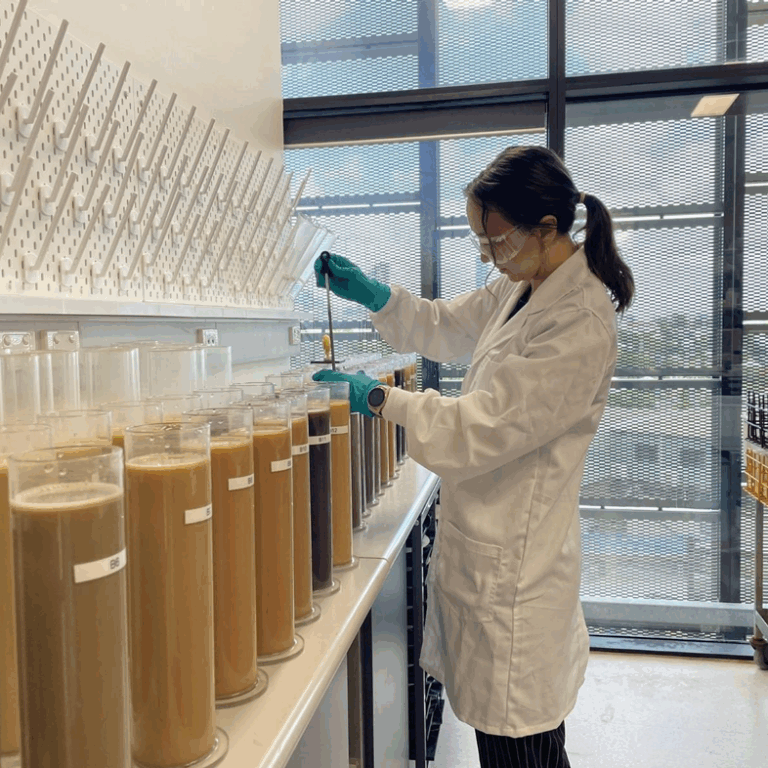
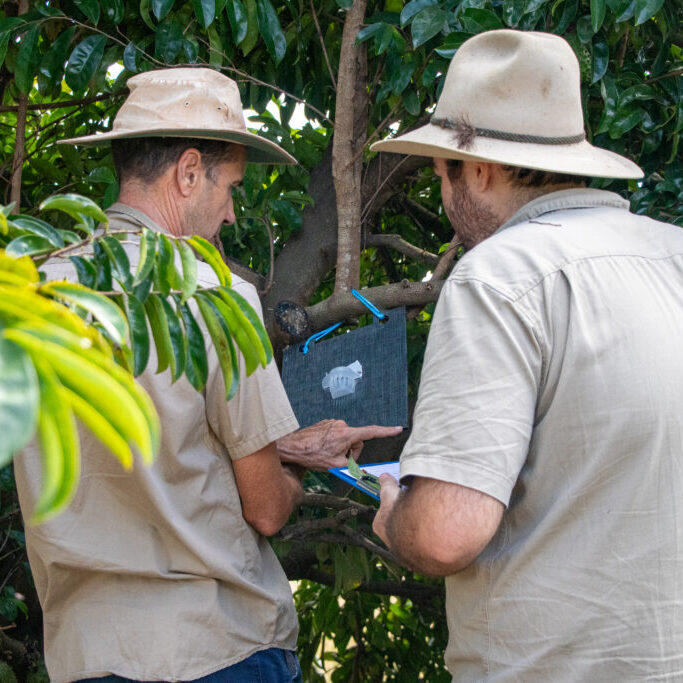
This year, Gulf Savannah NRM partnered with the Department of Environment, Science, Tourism and Innovation to host Soil Graduate, Mali Eagle. The program provided opportunities for field work, laboratory placement and desktop analysis, contributing to the development of core soil science skills. One focal area has been soil sampling to build skills in property characterisation and profile classification.

Improving threatened species habitat condition in the Eastern Forests of Far North QLD

The Eastern Forests of Far North Queensland are home to a wealth of threatened species impacted by invasive pests, such as feral animals (e.g., cats and pigs), weeds (e.g., lantana) and changed fire regimes. This project will form a partnership between government departments, non-profits and First Nations peoples to improve the condition of habitat for these native species by reducing key threats.

Climate Smart Agriculture in the Northern Gulf

This project seeks to empower farmers in the Mareeba-Dimbulah Irrigation Area (MDIA) to promote agricultural growth while adopting sustainable natural resource management practices. Key focus areas include soil carbon, erosion control, and sustainable farming techniques. The project will establish demonstration sites, host workshops, and conduct regular soil testing to monitor changes resulting from management actions.

Sustainable Agriculture Facilitator

The Australian Government has invested $40.7 million in a national network of Sustainable Agriculture Facilitators under the Climate-Smart Agriculture Program, funded through the Natural Heritage Trust (NHT). 

 As Gulf Savannah NRM’s SAF, Mandy Pickering connects farmers, landholders, community groups and agriculture industries to relevant information and programs on climate-smart, sustainable agriculture practices. 

Protecting the Northern Quoll in the Northern Einasleigh Uplands Region

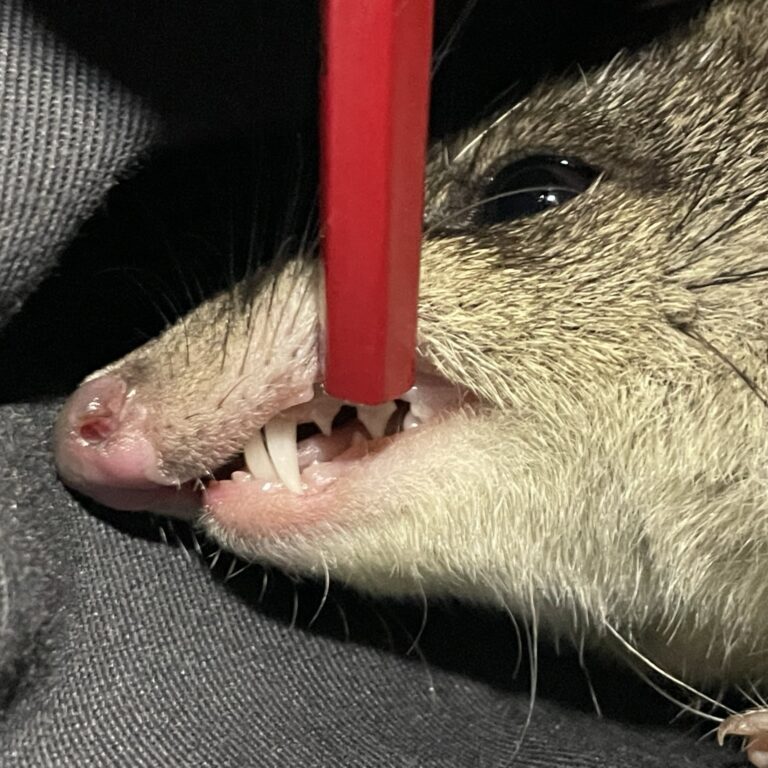
Northern quolls have experienced large declines in their distribution and abundance, associated with multiple threatening processes including the invasion of cane toads, feral cats, and reduced habitat quality/suitability caused by changed fire regimes, over-grazing and weeds.  The contraction of their distribution has largely restricted them to areas experiencing high rainfall and with topographic ruggedness, as more complex habitats can likely buffer the effects of changed fire regimes and predation pressures.

Land Monitoring and Evaluation

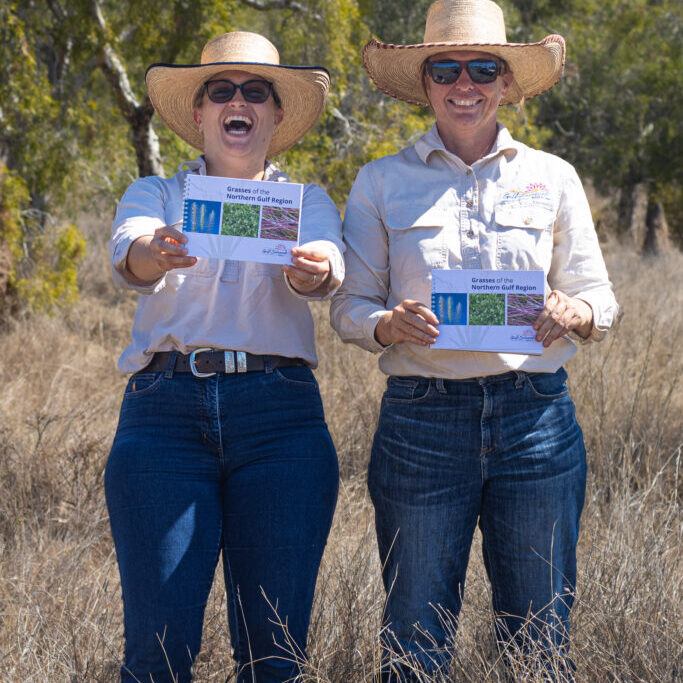
This project aims to assess the state of land condition in the Northern Gulf region through a monitoring system and train landholders in using land monitoring as a tool to improve management decisions. More specifically, we’re monitoring the effect of grazing on biodiversity factors and indicators, as well as the influence pasture has on the overall health of the environment.

The Gulf Savannah Story

Our region doesn’t have a lot of historical data about land use, management practices, or conditions. This project will focus on recording oral history interviews from locals with a keen eye for long-term changes, so we can better understand how the natural condition of our region is trending. This project is funded by the Queensland Government’s Natural Resources Recovery Program.

Resilient Futures for Queensland’s Gulf Savannah

The Resilient Futures project centres around increasing our Gulf community’s preparedness and resilience to natural disasters.  The project will focus on creating awareness and understanding of the risks of fire, flooding and cyclones both with individual landholders and local government authorities. This project is funded by the Commonwealth Government Department of Industry, Science, Energy and Resources.

Salubrious Soils

The project focuses on management practices to build soil health and optimise production, the links between healthy, balanced soils and resilience, the latest soil research and technology, soil sampling and interpretation, National Soil Monitoring and Incentives Pilot Program and Carbon farming opportunities for income diversification. This project is supported by the Australian Government’s Smart Farms Program.

Data for the Future

Many factors inhibit graziers collecting data including a lack of systems and processes for collection and storage of relevant data, and understanding what data would be useful for decision making. This project showcases businesses using data driven decision tools, and supports producers in data collection. Supported by Agrifutures Australia, Producer Technology Uptake Program.

Showcasing Resilient Grazing Landscapes with Better Biodiversity

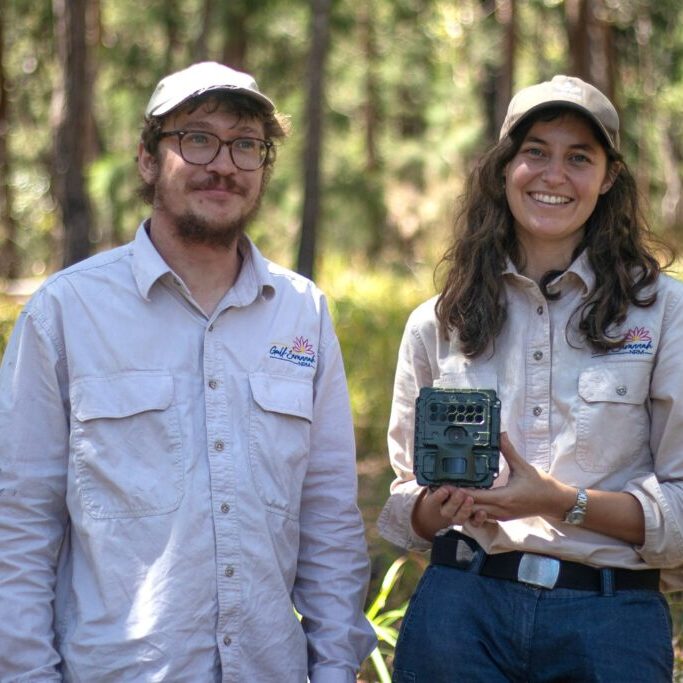
This project aims to showcase how resilient grazing landscapes (those in better land condition) also have better biodiversity. To achieve this we aim to use innovative automated field survey methods to gain a snapshot of biodiversity in both good and poor land condition paddocks for comparison. We’re collaborating with JCU on this project, which is supported by the Queensland Rural and Industry Development Authority.

Fire Smart Mareeba Shire

This project aims to build community bushfire resilience within the Mareeba Shire. It is lifting the level of fire literacy, community coordination and confidence in responding to and mitigating fire risk. This is being achieved through providing resources, targeted fire mitigation and management planning at a community and property level. This project has received grant funding from the Australian Government.

Drop in the Bucket: Citizen Scientists Monitoring Water Quality

This project provides important water quality and ecosystem health data for rivers in our region. Citizen scientists use observational methods to assess the health of our river systems. Supported by the Queensland Government.

Climate Mates

Climate Mates is part of the Northern Australia Climate Program, helping graziers better manage drought and climate risks. We help graziers use forecasts and adopt new climate tools to make informed management decisions. Supported by the Queensland Government Drought and Climate Adaptation Program and Meat and Livestock Australia.

Prickly Acacia Management

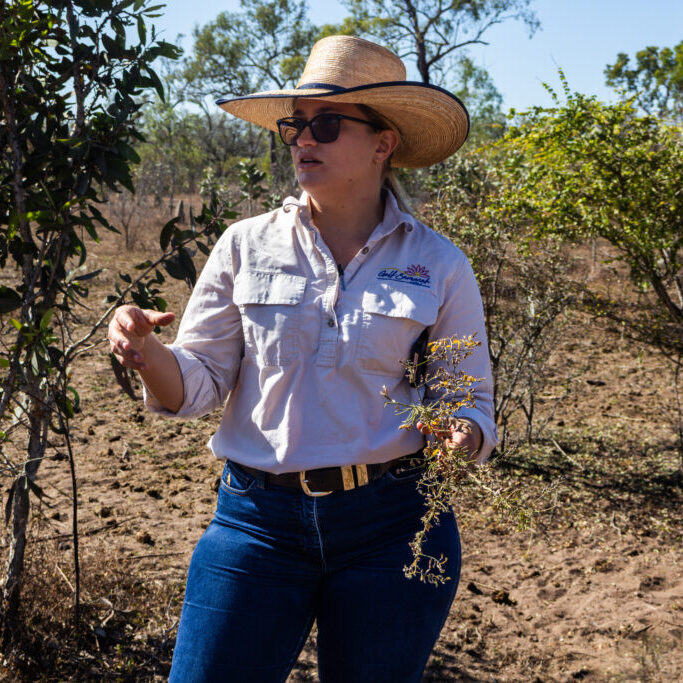
This thorny shrub or small tree encourages erosion, threatens biodiversity, decreases pastures, and forms dense thickets that interfere with stock movement. Preventing spread is a high priority. Our project supports landholders through education, awareness, and on-ground control. Project supported by the Australian Government.

Grazing Futures

Supporting grazing business resilience by assisting recovery from extreme climate events and improving future preparedness. It’s funded through the Drought & Climate Adaptation Program, building strong partnerships between regional NRM organisations and the Queensland Department of Agriculture & Fisheries.

Scroll to Top