
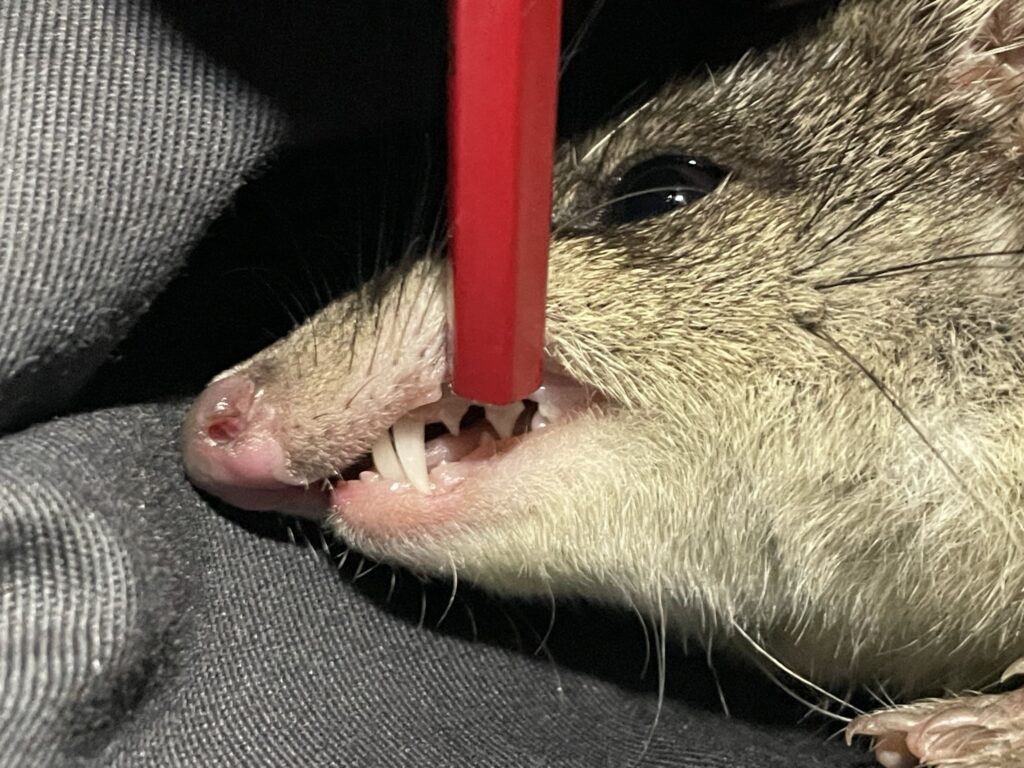
Northern quolls have experienced large declines in their distribution and abundance, associated with multiple threatening processes including the invasion of cane toads, feral cats, and reduced habitat quality/suitability caused by changed fire regimes, over-grazing and weeds. The contraction of their distribution has largely restricted them to areas experiencing high rainfall and with topographic ruggedness, as more complex habitats can likely buffer the effects of changed fire regimes and predation pressures. Contemporary distribution data is lacking in Far North QLD, and it is important to fully understand the potential effects of fragmentation and reduced connectivity that may be occurring after the contraction of their distribution.
This project will establish collaborative partnerships among land managers, First Nations peoples, scientists, and government bodies to implement actions contributing to the recovery of the endangered Northern Quoll in the northern Einasleigh Uplands. Project activities will focus on addressing primary threats to Northern Quolls and their habitat by implementing targeted actions including managing fire regimes, weeds (Gamba grass), and feral predators (cats) at key sites. Scientific, local and cultural knowledge of Northern Quolls, their habitat and threats will be increased through this project, which may assist in guiding future management strategies and conservation efforts for the species.