Portfolio

Description.

Together for Country Weed Management Program

This project empowers four Indigenous ranger groups to detect and control invasive weeds across 100 hectares in the Northern Gulf. Combining on-ground work with aerial surveys in remote areas, it protects native ecosystems, waterways, and culturally significant landscapes – while strengthening Indigenous leadership and knowledge in caring for Country. 
North West Queensland flood recovery: Invasive Weeds Program

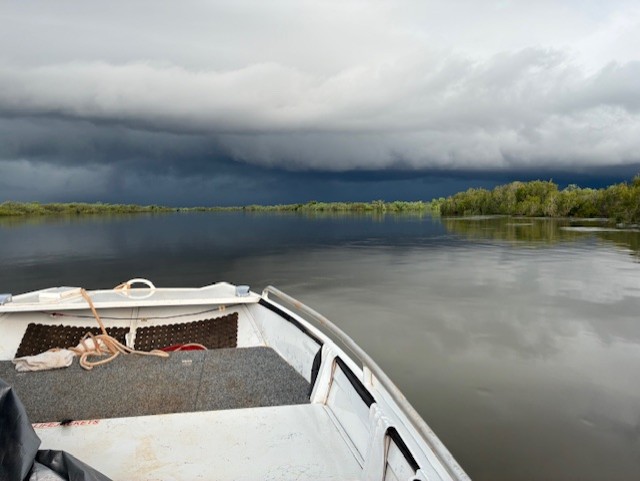
Floodwaters can spread invasive weeds across entire catchments. Following severe 2022–23 monsoon flooding in North West Queensland, large areas became vulnerable as seeds and plant material dispersed widely. Gulf Savannah NRM will deliver a coordinated response to manage these threats, strengthen regional biosecurity, support local action, and drive long-term environmental recovery and more resilient landscapes. 

Gulf Hinterland business & community drought resilience

The Gulf Hinterland has a resilient but limited network of community services, increasingly strained by drought and climate disasters. This project strengthens economic resilience and disaster preparedness, helping communities and businesses recover and adapt. Gulf Savannah NRM will deliver initiatives including partnerships with Traditional Custodians, energy and water projects, improved governance, and a focus on agribusiness and community resilience.

Defending our bees: Varroa mite response

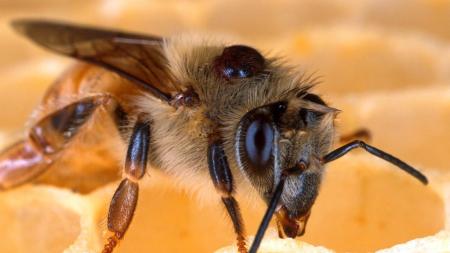
The varroa mite – one of the most significant threats to the western honeybee – now poses a serious risk to Australia’s beekeeping industry. This project raises awareness and equips beekeepers with practical tools to respond. Through four targeted workshops, Gulf Savannah NRM will develop a public training package and introduce alternative approaches to improve hive resilience and long-term sustainability.

Orchard Resilience

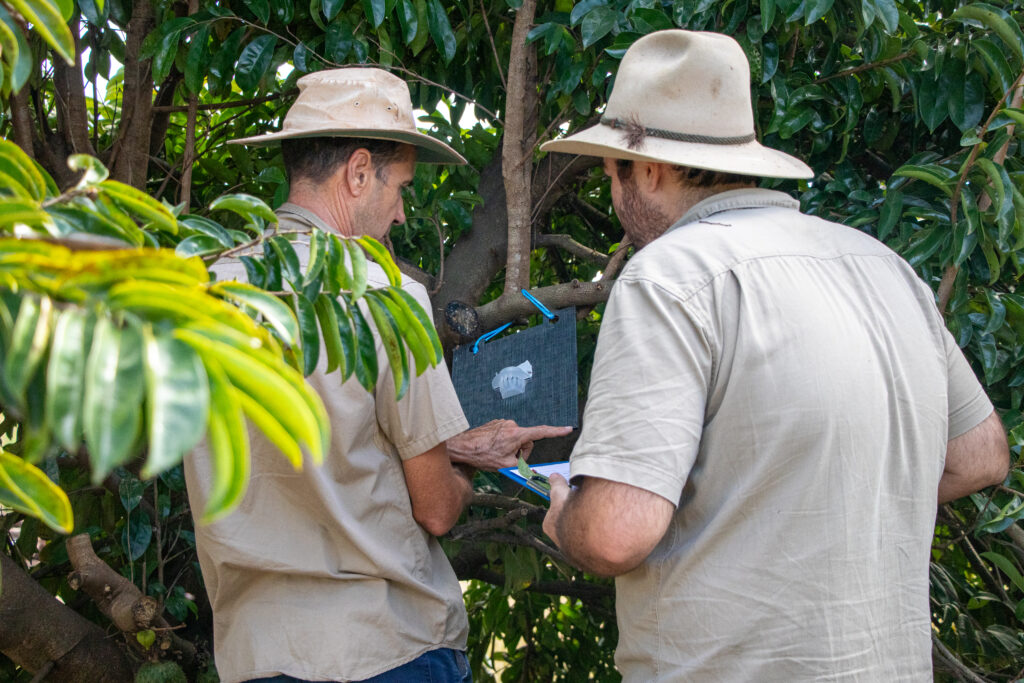
This collaborative project supports Far North Queensland orchard growers to improve soil health and build resilient production systems. Delivered with Soils for Life, it connects growers through a demonstration orchard, peer networks, whole farm monitoring, and practical activities. By showcasing proven soil practices, it helps growers build confidence, share knowledge, and adopt approaches that support productivity and long-term sustainability. 

Protecting the Great Artesian Basin Springs

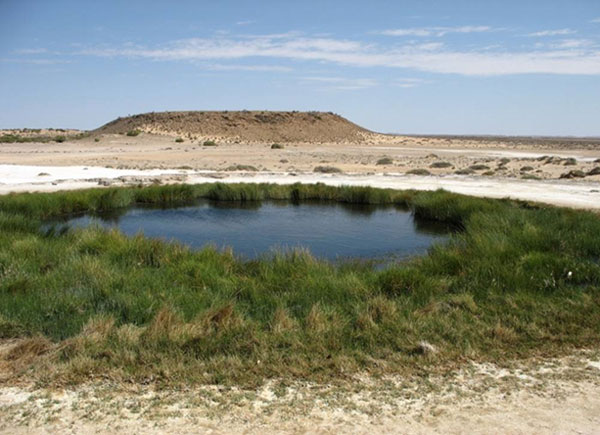
The springs of the Great Artesian Basin support unique ecological communities found nowhere else on Earth. Gulf Savannah NRM is partnering with landholders and Traditional Owners to protect the function and cultural significance of multiple spring systems across the northern Gulf. We aim to safeguard intact ecological communities – many dominated by specialised plant species such as salt pipewort – and preserve biodiversity that depends entirely on these groundwater-fed habitats.

Enhancing Wetherby Wetlands

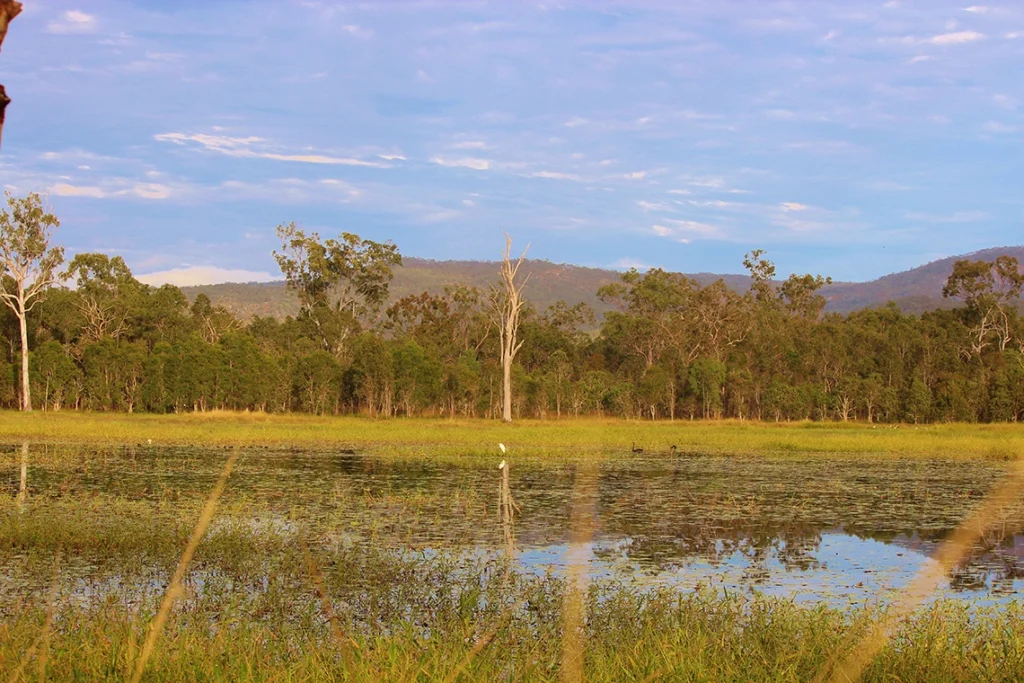
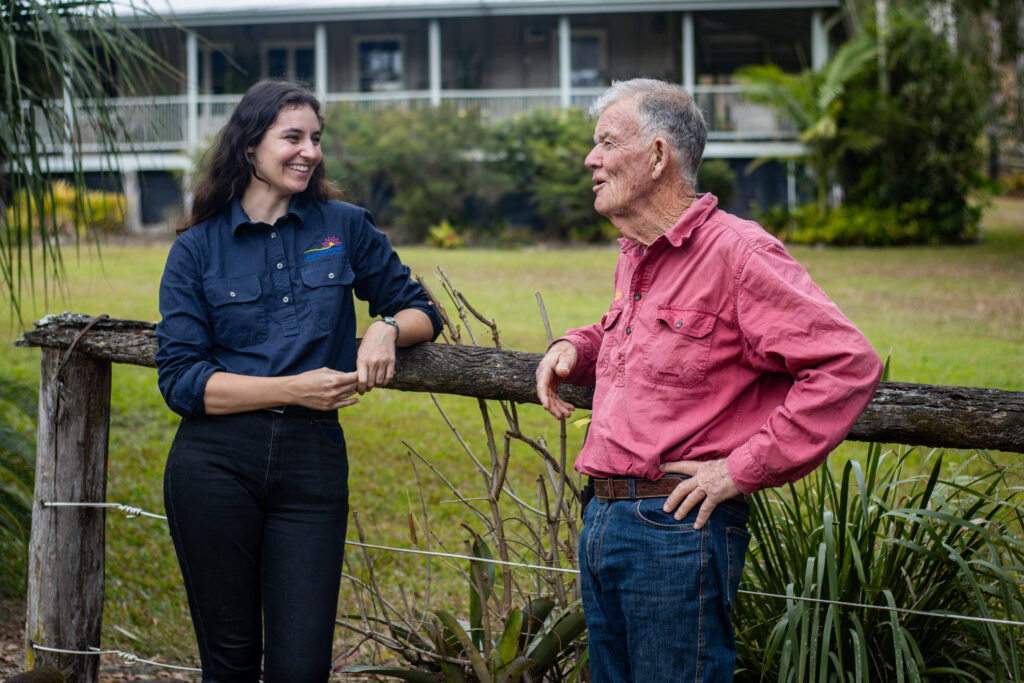
Enhancing wetland values at Wetherby station is a community-focused wetland conservation project aiming to restore the diverse values and ecological character of the Wetherby wetlands ecosystem. In April this year, 1,300 native trees were planted with help from the landholder John Colless, TREAT volunteers, children, teachers and parents from Mt Molloy State School, Kuku Djungan Murtiki rangers and Gulf Savannah NRM staff. 

Soil Graduate Program

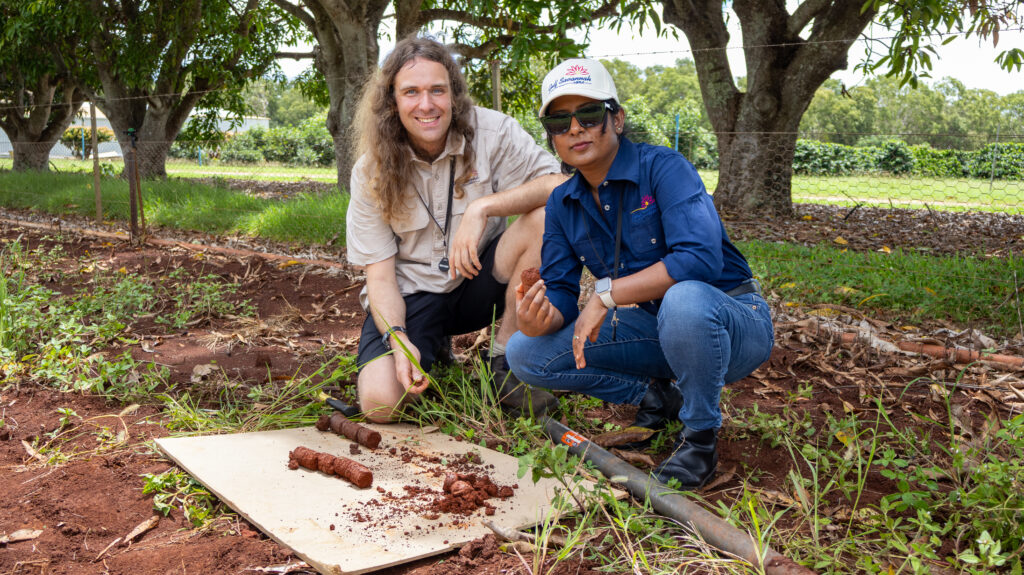
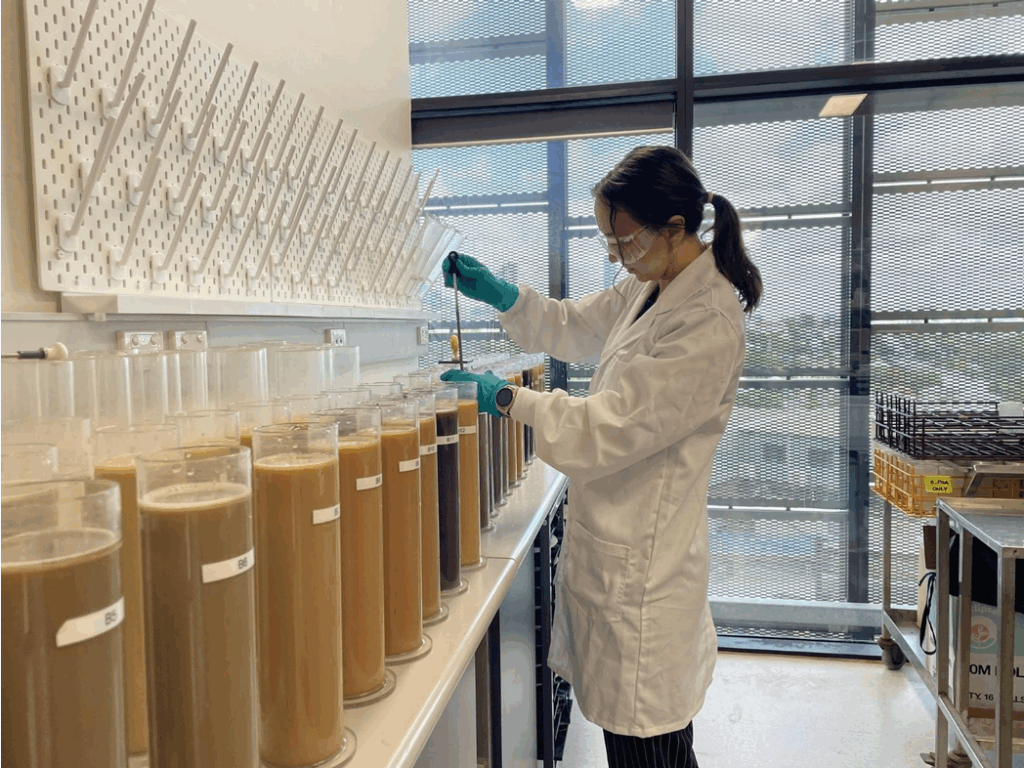
This year, Gulf Savannah NRM partnered with the Department of Environment, Science, Tourism and Innovation to host Soil Graduate, Mali Eagle. The program provided opportunities for field work, laboratory placement and desktop analysis, contributing to the development of core soil science skills. One focal area has been soil sampling to build skills in property characterisation and profile classification.

Improving threatened species habitat condition in the Eastern Forests of Far North QLD

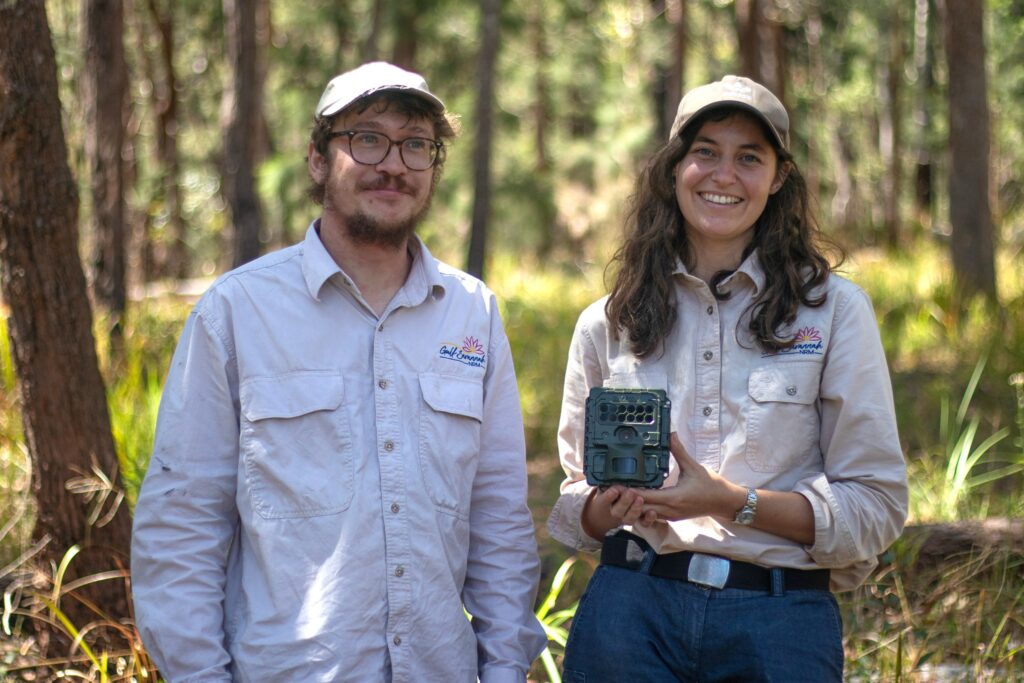
The Eastern Forests of Far North Queensland are home to a wealth of threatened species impacted by invasive pests, such as feral animals (e.g., cats and pigs), weeds (e.g., lantana) and changed fire regimes. This project will form a partnership between government departments, non-profits and First Nations peoples to improve the condition of habitat for these native species by reducing key threats.

Climate Smart Agriculture in the Northern Gulf

This project seeks to empower farmers in the Mareeba-Dimbulah Irrigation Area (MDIA) to promote agricultural growth while adopting sustainable natural resource management practices. Key focus areas include soil carbon, erosion control, and sustainable farming techniques. The project will establish demonstration sites, host workshops, and conduct regular soil testing to monitor changes resulting from management actions.

Scroll to Top