Getting down and dirty
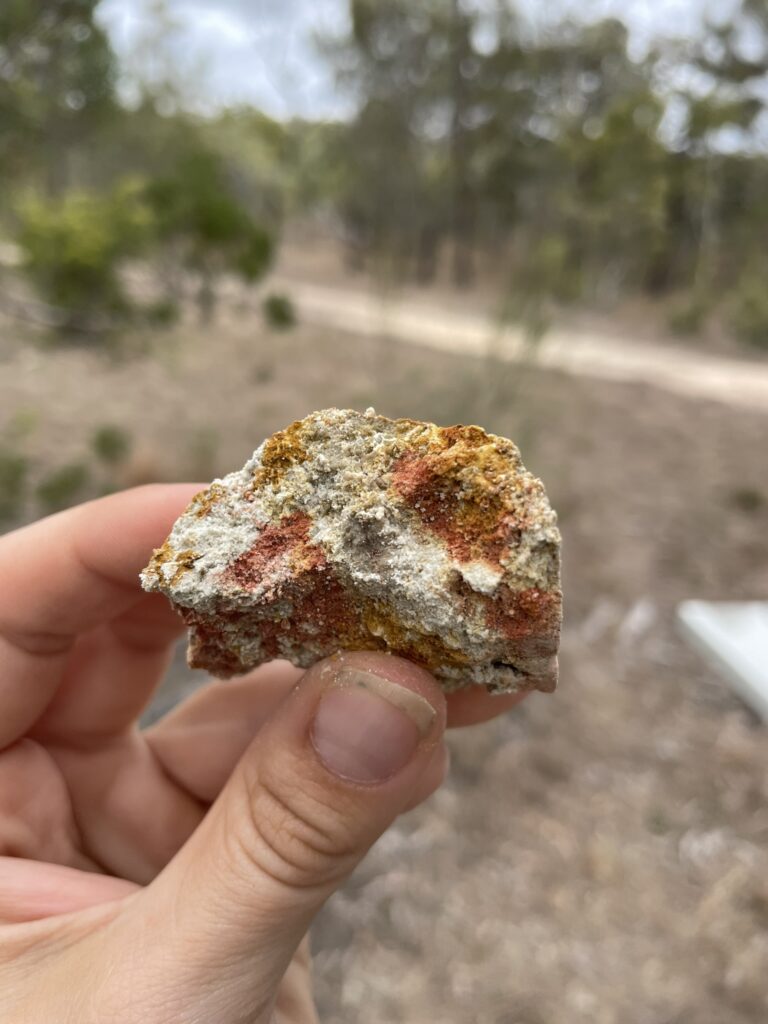
Without soil, we would all be naked, hungry and homeless.
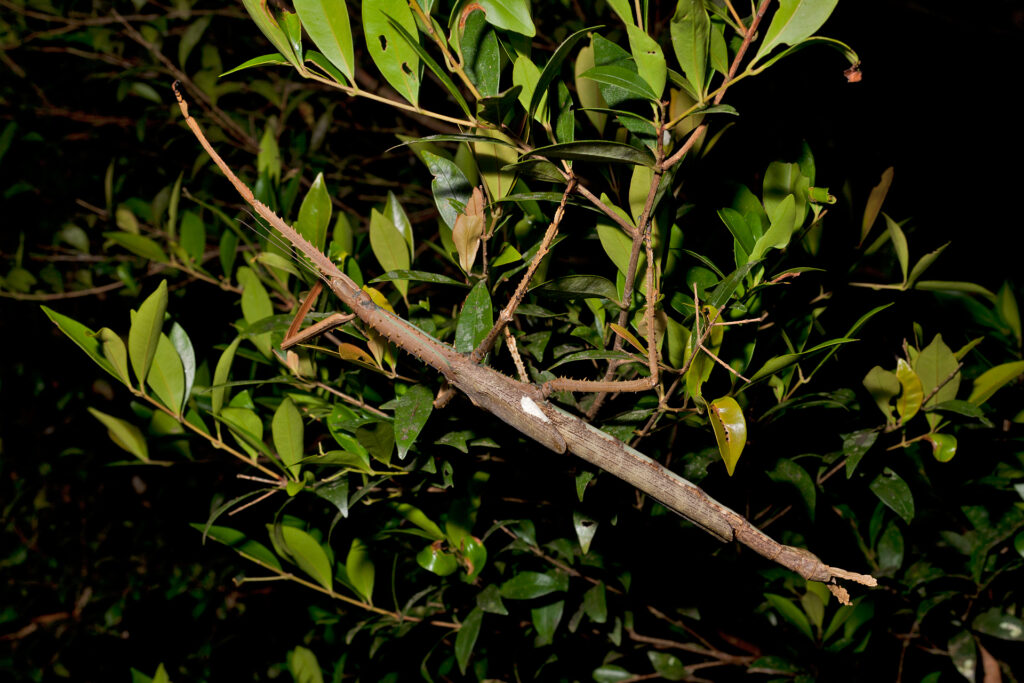
Australia’s heaviest known insect has recently been recorded, and it’s a completely new species of stick-insect.

Though ecosystems boast thousands to millions of years of experience, evolution cannot always account for human interference; some threats are skilled in unpicking nature’s intricate stitches until species have slipped through the seams.

Continuing conversations in the field
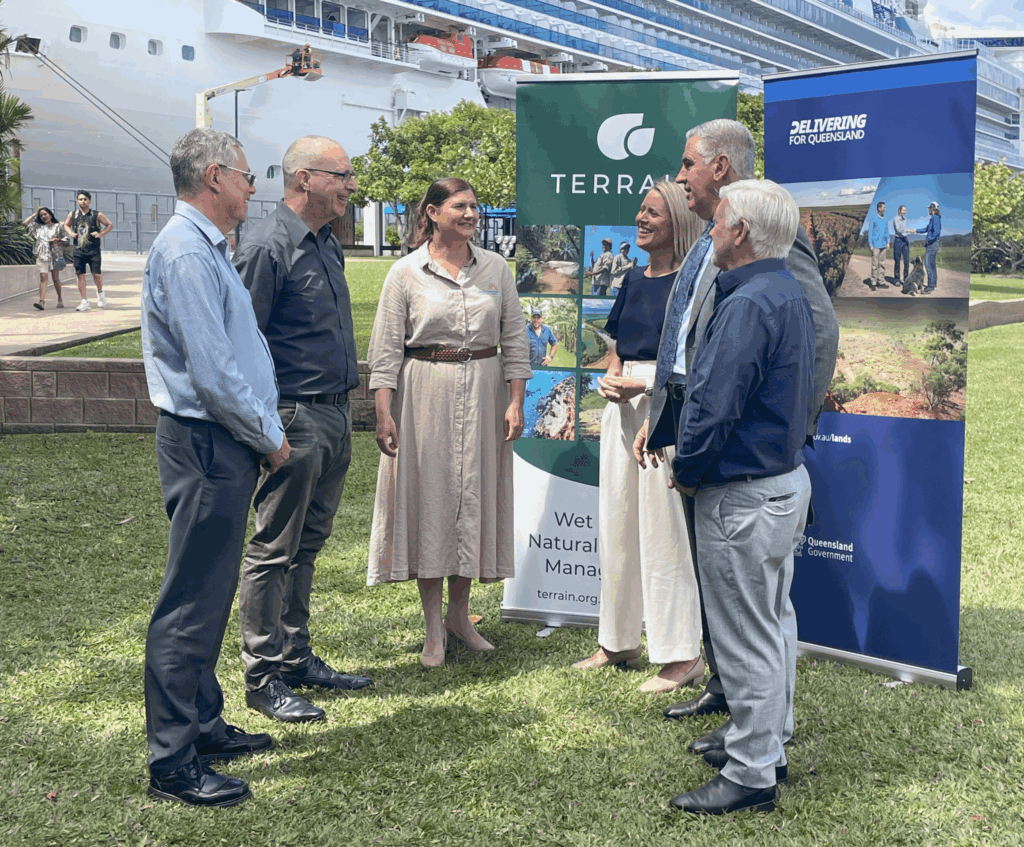
Queensland’s Gulf communities are set to benefit from a major investment, with Gulf Savannah NRM to receive $3.88 million through the Crisafulli Government’s new Natural Resource Management Expansion Program (NRMEP).
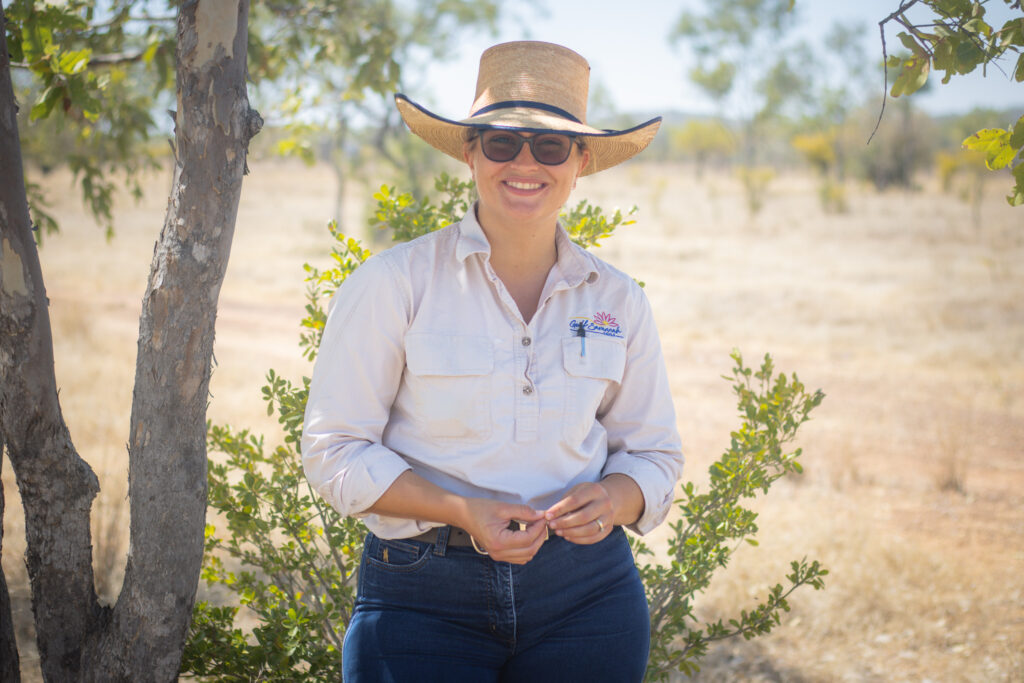
With 84 per cent of GSNRM’s region occupied by beef cattle grazing, landholders play an essential role as caretakers of the Gulf country’s long-term health, and are integral to the balance between productivity and biodiversity.
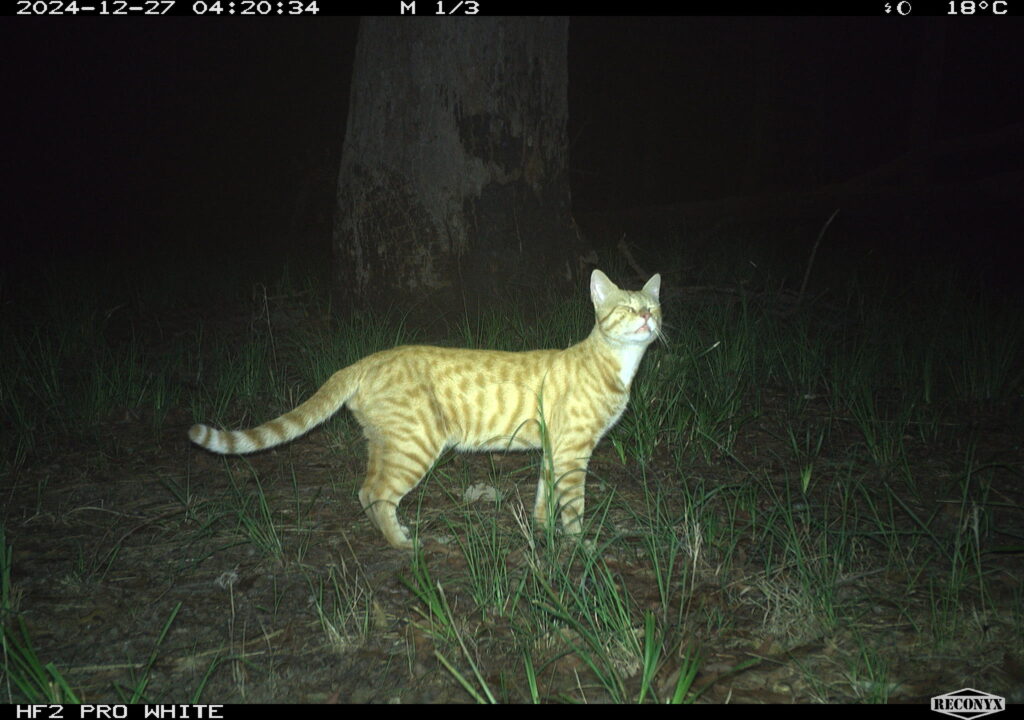
If feral pigs are gold medalists in habitat destruction and disturbance, feral cats are right beside them on that podium.
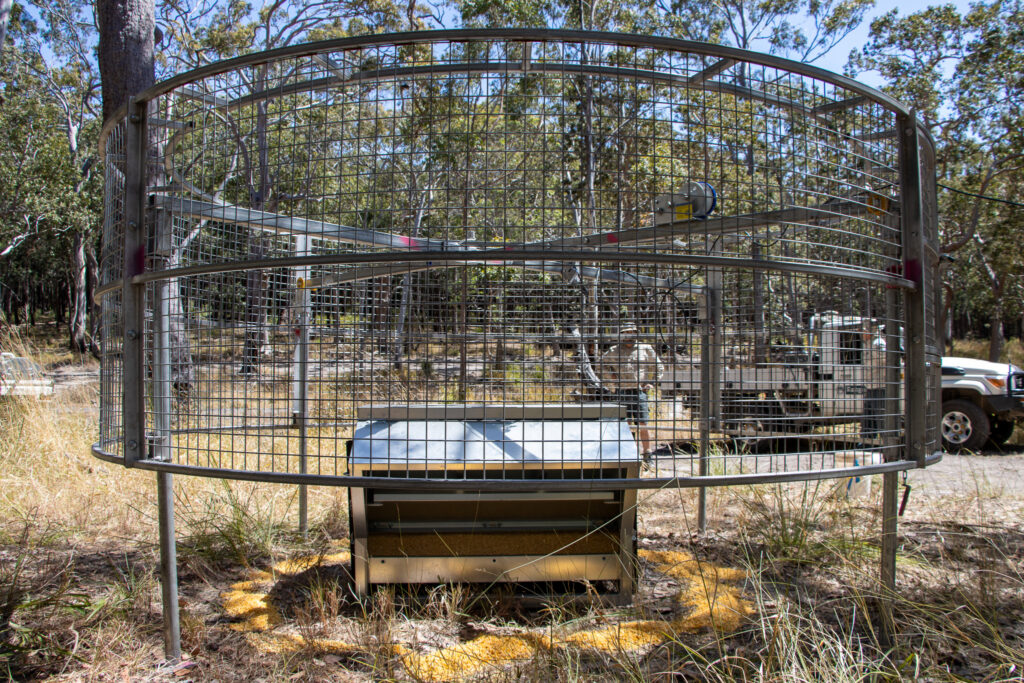
With the support of Queensland Parks and Wildlife Service (QPWS) rangers, GSNRM’s biodiversity team has returned to Mt Spurgeon armed with new tools to combat one of Australia’s greatest threats to native wildlife: feral pigs.
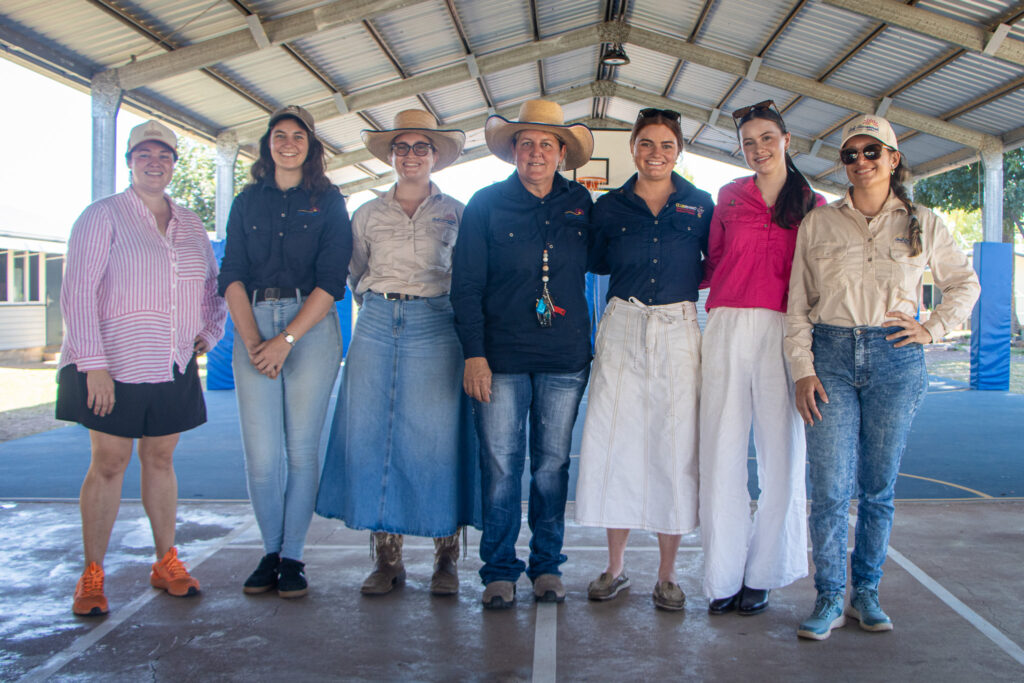
Giant bugs, soil explosions, original artworks and farm-to-table field games all came together for Gulf Kids Day 2025.
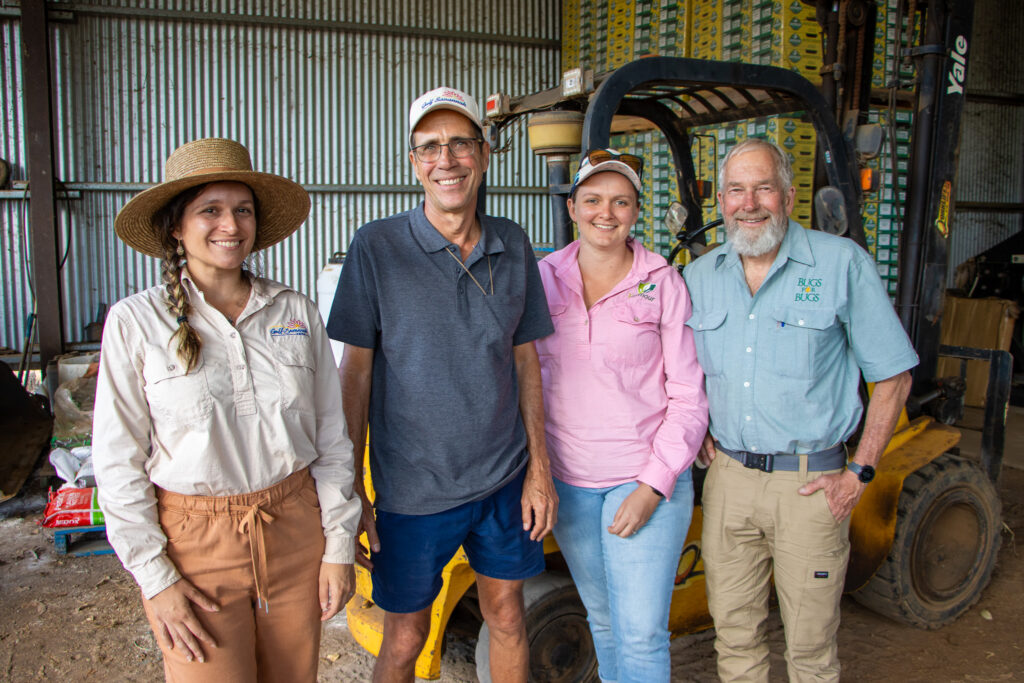
Producers from as far as Bowen gathered in Mareeba on August 19 to explore Integrated Pest Management (IPM) strategies at Gulf Savannah NRM’s third Climate-Smart Agriculture workshop this year.