
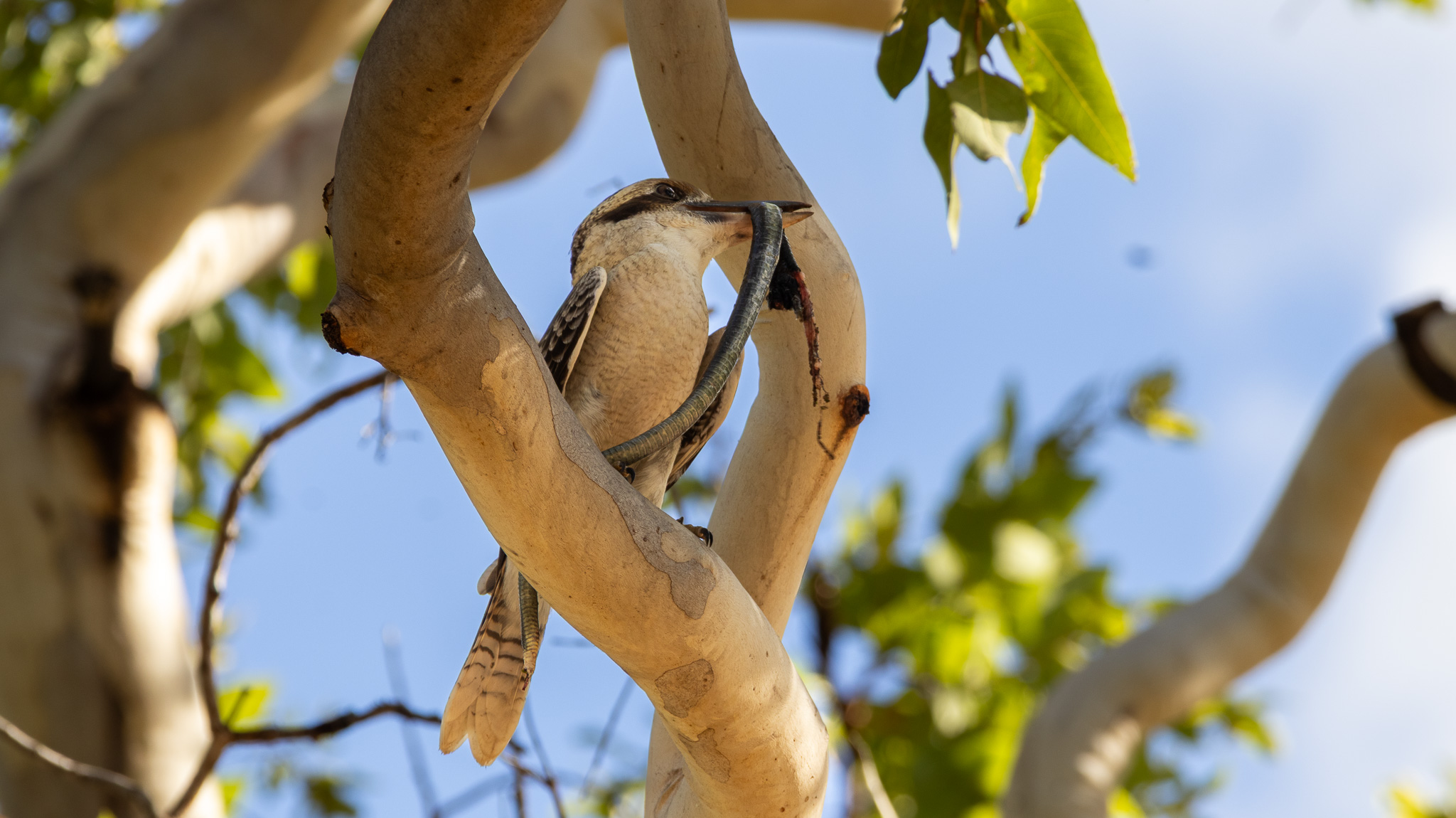
There are few places in the world where you can see commercial food production integrated with a natural, almost native ecosystem. Where cattle are living in harmony with the marsupials, birds, reptiles and insects. But in any given location across the extensive beef grazing region of Northern Australia, this unique system exists.
On a recent field trip, I had the task of using the Land Condition Assessment Tool (LCAT) at several properties across the Northern Gulf region. After days out in the paddocks, the data we collected certainly caught my eye. With all the media promotion, articles and stories I have consumed on the topic of biodiversity and its global significance, there always seems to be a key point overlooked in the findings. Most biodiversity studies in agriculture, both in Australia and internationally, focus on production systems that were historically cleared of woody vegetation for pasture or crop production, or extensively hunted to remove competition and livestock’s predators.
If this is the perspective I have been repeatedly fed, it can only be assumed that other graziers and land managers have experienced similar narratives. And so, I’d like to offer a different perspective…
Biodiversity is more than photogenic cuddly or exotic animals. It doesn’t stop at the fence. It can be measured in many ways. And it has more value than a checked box for an agenda.
In extensive grazing systems across Northern Australia, biodiversity surrounds us every day. We wake up to the call of the birds at the homestead, and your first view out the window is often of wallabies or kangaroos on the lawn. The first job of the day will take you past mobs sharing green pick with birds, or a water trough with a monitor lizard.
It is somewhere around lunchtime that you find a shady tree to hide under while you eat, watching the cattle pick out their own lunch selection. What grass will it be today? Perhaps they’ll go for something meatier, like that little native legume between the tussocks? Then it is back to the shed for the late afternoon shift before dinner, sharing after-work drinks with a resident owl, or possum. And when you finally lay down for the night, the outback lullaby floats on the breeze: crickets, cicadas, and cockatoos corralling with the quartet of dingoes on a far-off ridge.
There are global studies that capture this interwoven way of life on the land, where grazing and nature co-exist and complement one another. This includes Cristina De Garcia and her team’s 2026 study, which describes how grazing management practices influence biodiversity outcomes. Published in the Journal of Environmental Management, the research concludes that “balancing out grazing intensity is crucial for preserving biodiversity dynamics and ecosystem functionality”.
Though directed at herd and grazing pressure management in a European system of subalpine regions, it is relevant in describing how important management and documentation is for the conservation of biodiversity. The article discusses how the intensified practices and abandonment of lands (overgrazing and no grazing) have impacted the functional balance of the ecosystem following a legacy of long-term grazing land use. The study determines that incorporating extensive grazing practices and allowing pastures to rest during growth phases can help conserve a landscape’s native biodiversity.
At this point, you may be asking yourself: “how is this relevant to me?” It’s best to start with building your awareness on the topic to understand how it affects you. Discover which opportunities and benefits are available to you.
Productivity value
Queensland’s Department of Primary Industries and the Australian Department of Agriculture, Fisheries and Forestry have documented the benefits of natural landscape stability for agriculture, and the impact biodiversity has on productivity. Since the early 1960s, Queensland’s agricultural departments have been studying relationships between native pastures, vegetation and wildlife for their influence on landscape productivity and stability. This inadvertently documented the status and value of biodiversity in the extensive grazing systems of our region, well before environmentally conscious produce was demanded by and developed for consumers. A quick search of grazing environment studies in your preferred search engine will provide you with an endless supply of information about previous studies on topics related to biodiversity, including: vegetation composition, pasture composition and productivity, and indicator species (plants and wildlife).
Market value
Currently, specialised biodiversity marketing is limited for the northern beef producing region as the primary focus of existing accreditation methods is for environmental repair. While this limits the opportunity to participate in credit accruing programs, it does not limit the marketing potential for Northern Queensland producers. With the growing demand for environmentally conscious produce, being able to demonstrate such values may be enough to establish a specialised market advantage within the domestic and select global market supply chains. Systems such as the Accounting for Nature framework, AgForce’s AgCarE or CSIRO’s The Natural Capital Handbook, are building agribusinesses’ capacity to demonstrate their position for biodiversity and environmental outcomes.
A good starting point for producers interested in finding out more about how the Australian Agricultural Sustainability Framework applies to their industry and how they can demonstrate their environmental stewardship is the Gulf Savannah NRM Environmental Stewardship Guide. You can pick up your copy at any of our offices or ask one of our staff for a copy.
Today is a good day to make an account of the environment around you, and the value it provides to your business. Be aware of how it benefits you, both as a productivity benefit and value add. When we recognise biodiversity as an asset, everyone – from graziers to wildlife – stands to benefit.


