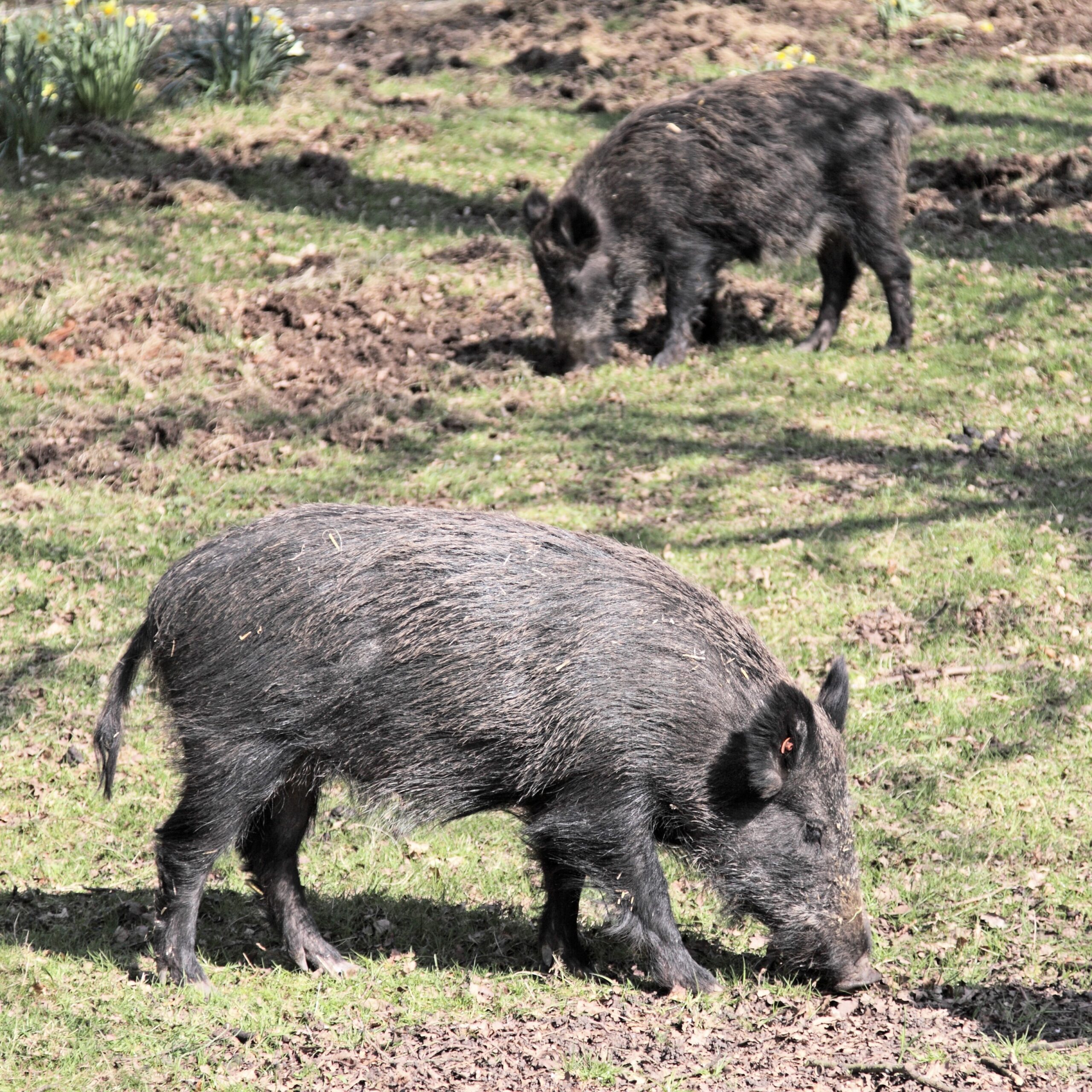
Feral pigs are widespread across northern Australia and are one of the region’s most destructive pest species. Alongside impacts to crops, pastures and waterways through rooting and wallowing, they also pose a risk to both human and animal health.
Feral pigs can carry a range of zoonotic diseases – those which can be transmitted from animals to humans. These include Brucella suis, leptospirosis and Q fever.
People most at risk include hunters, pig doggers, landholders and anyone handling feral pig carcasses. Infection can occur through contact with blood, bodily fluids, or contaminated soil entering cuts or abrasions.
While some diseases can affect people, others such as African swine fever (ASF) pose a serious threat to pig populations, the agricultural industry and Australia’s economy more broadly.
Swill feeding
One of the highest risk pathways for diseases like ASF is swill feeding: the practice of giving pigs food waste that may have been contaminated by meat or other animal products. This practice is illegal in Australia, as viruses can survive in contaminated food, even after freezing or cooking, and may infect pigs if consumed.
Reducing your risk is simple:
- Wear gloves and protective clothing when handling carcasses
- Cover any cuts or abrasions before contact
- Avoid direct contact with blood and bodily fluids
- Wash hands, equipment and clothing thoroughly after handling
- Dispose of food waste responsibly and never feed meat products to pigs
Managing feral pigs isn’t just about protecting land and livelihoods, it’s also about safeguarding human health and strengthening regional biosecurity.
Gulf Savannah NRM is working with landholders and partners to support coordinated feral pig control across the region, helping reduce impacts on agriculture, the environment and the community.