
Habitat restoration can be a risky business, and sometimes the smallest changes can make the biggest difference.
Gulf Savannah NRM has been teaming up with Queensland Parks and Wildlife Service (QPWS) to breathe new life into a wet sclerophyll forest site on the Carbine Tablelands: a vital home for several threatened species, including the elusive northern bettong.
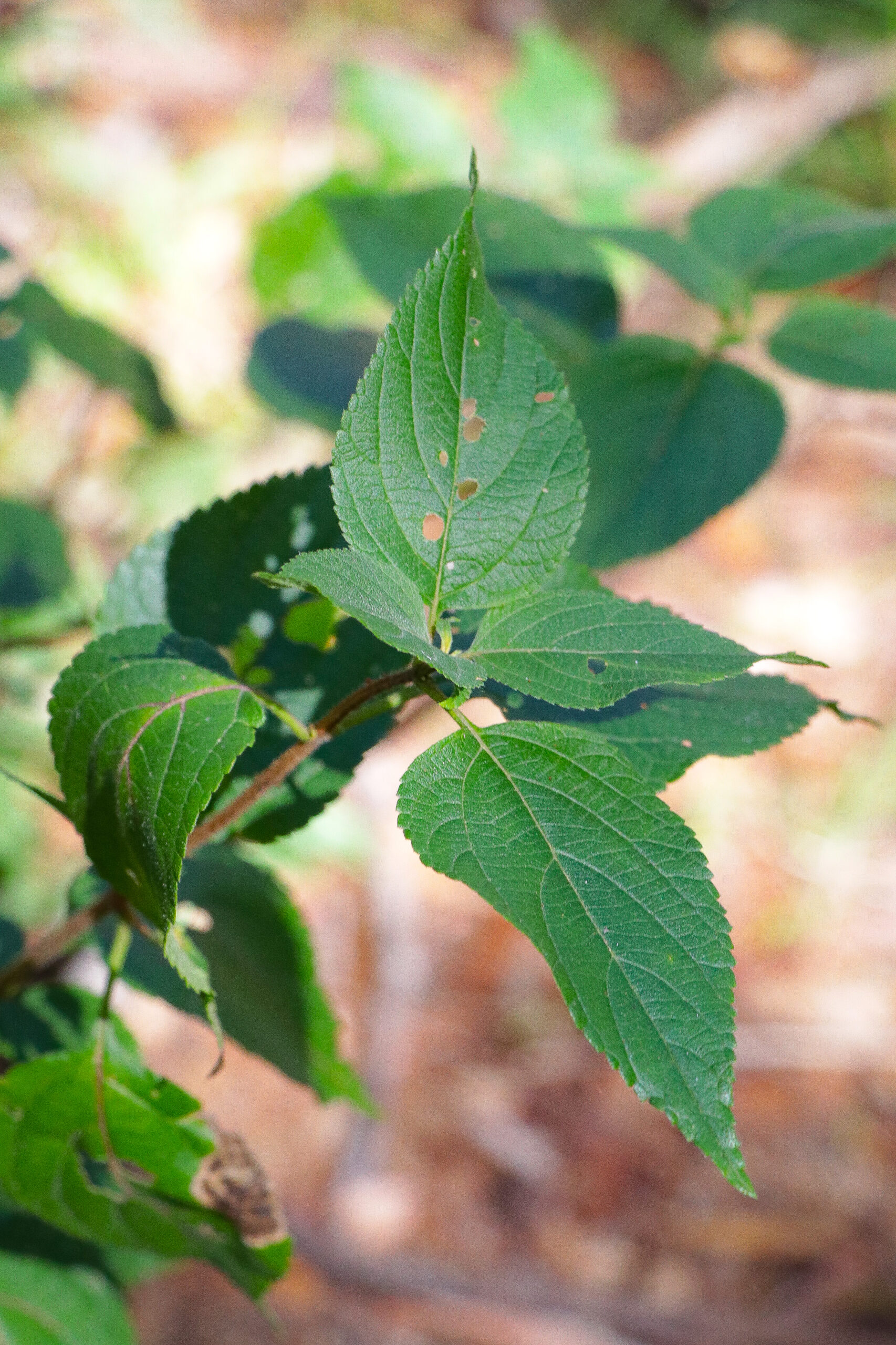
A key part of this project is lantana removal. By discouraging dense thickets, we’re giving the forest a chance to open up and once again grow a grassy understory.
Biodiversity Officer Dr Edward Evans highlights that this is “crucial”, as studies show 85% of the wet-sclerophyll forest on the Carbine Tablelands has been swallowed by vine forests or thick shrubs, making it unsuitable habitat for certain native wildlife, such as northern bettongs.
In targeting lantana, however, the team must strike a careful balance as weeds are not an isolated threat to the survival of native species.
“Restoration is about more than just removing weeds and forest condition,” Dr Evans said.
“Research conducted in the Wet Tropics rainforests shows feral cats often use tracks to move and hunt, so we had to consider whether creating new tracks for accessing weeds would inadvertently increase hunting opportunities for cats in the area. To make sure this wasn’t the case, we monitored newly created tracks for a total of 29 weeks.”
The good news? Feral cats were infrequently detected, and the data suggests feral cat activity has not increased along these tracks compared to the surrounding habitat.
This progress shows that with careful planning, it is possible for lantana control to restore forest structure and boost habitat for threatened species, all without giving predators an advantage.
This project is funded by the Australian Government Natural Heritage Trust and delivered by Gulf Savannah NRM, a member of the Commonwealth Regional Delivery Partners panel.