
Story by Janani Gedara
Wetlands are among the most ecologically valuable and sensitive ecosystems on the planet. Enhancing and restoring them is not only an investment in biodiversity, but also in landscape resilience, water quality, and climate adaptation.
Planting native vegetation in and around wetland areas plays a vital role in supporting these functions. Deep-rooted species help stabilise soils, reduce erosion, and filter sediments and pollutants before they enter water systems. They also contribute to improved water retention, critical in maintaining wetland hydrology and supporting downstream flows.
In the inland landscapes of Far North Queensland, where tropical rainfall patterns meet open savannah systems, wetlands play a crucial role in sustaining ecological connectivity and seasonal water availability. These areas often serve as refuge habitats during the dry season, supporting both wildlife and pastoral productivity. However, they are also vulnerable to sedimentation, weed encroachment, and altered water regimes. Targeted revegetation in this region strengthens wetland function, improves water quality through natural filtration, and supports the broader health of connected catchments and lowland ecosystems.
Healthy wetland vegetation provides essential habitat for aquatic and terrestrial species, and supports key ecosystem services such as nutrient cycling, temperature regulation, and carbon storage. These benefits extend far beyond the wetland itself — contributing to more resilient agricultural systems and healthier communities.
Whether part of large-scale restoration programs or smaller enhancement efforts, each plant contributes to the ecological integrity and long-term sustainability of these essential ecosystems.
—————–
World Wetlands Day is celebrated each year on February 2. Take our funky quiz to learn what kind of wetland you are!
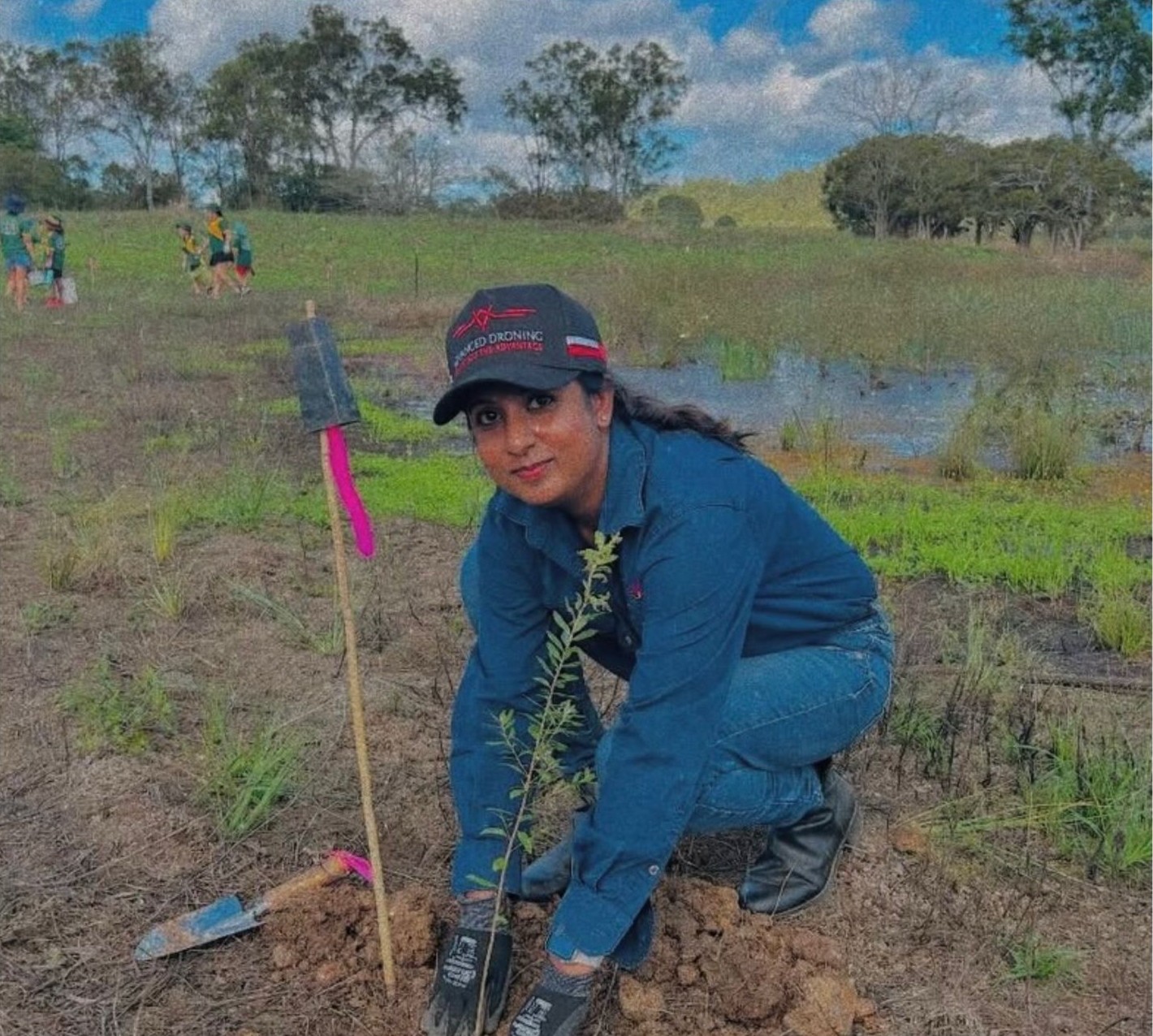
PHOTO: Agriculture Officer Janani Gedara gets her hands dirty at last year’s tree planting community event at Wetherby Wetlands.